

The House 2 Overview
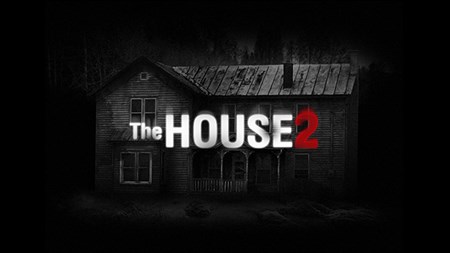
The House 2 expands the haunted exploration established by its predecessor into a more ambitious, narrative-driven horror experience. You return to the house—or perhaps a different house entirely, the distinction deliberately unclear—to uncover deeper mysteries, solve complex puzzles, and navigate survival situations that demand both wit and nerve. The sequel escalates everything: the atmosphere is more oppressive, the puzzles more intricate, the story more disturbing, and the stakes more immediate.
What distinguishes The House 2 from its predecessor is the integration of narrative progression with environmental horror. While the first game emphasized atmospheric discovery, the sequel weaves an engaging story through your exploration. Documents reveal family tragedies. Environmental storytelling illuminates past horrors. Puzzle solutions advance plot understanding. You're not just triggering phenomena for atmospheric effect; you're uncovering a specific, tragic narrative encoded within the house's walls.
The puzzle complexity represents a significant escalation. Early puzzles introduce concepts that build toward sophisticated late-game challenges requiring pattern recognition, logic, and creative use of collected items. Survival elements add urgency—you're not just exploring; you're evading threats that require both caution and quick thinking. Item collection becomes strategic; what you carry determines which puzzles you can solve and which threats you can survive. The game demands engagement on multiple levels simultaneously: atmospheric immersion, puzzle-solving intelligence, narrative comprehension, and survival instinct.
For players who enjoyed the original House's atmospheric pacing but craved deeper narrative and mechanical complexity, The House 2 delivers. This is horror for those seeking genuine puzzles alongside genuine scares, narrative depth alongside supernatural dread, and exploration that serves story rather than existing separately from it. The House 2 proves that horror can be intellectually challenging while remaining psychologically unsettling.
Key Details
Genre: Point-and-Click Horror Adventure / Puzzle
Difficulty Level: Medium/Hard
Average Play Time: 90-150 minutes
Best For: Horror enthusiasts, puzzle lovers, narrative adventure fans, players seeking atmospheric horror with mechanical depth, those ready for genuine psychological intensity
How to Play The House 2
Getting Started
Establish your starting location and take time to absorb the immediate environment, noting visible objects and architectural features
Begin systematic exploration by examining every object you can interact with and reading any visible text or documents
Collect items deliberately – everything you pick up serves puzzle-solving or survival purposes; understand what you're carrying
Engage with the first puzzle to understand the game's logic; these early challenges teach you the mechanics before complexity escalates
Build narrative understanding by reading documents and listening to audio cues that piece together the house's history
Basic Controls
Mouse Movement: Navigate through rooms and position your cursor on interactive objects
Left Click: Interact with objects, pick up items, examine details, solve puzzles, and make survival choices
Right Click: Access your inventory, review collected items and documents, or examine objects more closely
Scroll Wheel: Navigate through inventory or zoom in on puzzles for detailed examination
Spacebar or Enter: Sometimes used for dialogue choices or confirming actions during critical moments
Objective
Your interconnected goals form the game's progression spine
Explore the house thoroughly by visiting multiple rooms, discovering their connections, and understanding the space's layout
Collect clues and documents that gradually reveal the house's tragic history and the nature of the haunting
Solve environmental puzzles that range from logic-based challenges to item-use combinations, each unlocking new areas
Gather survival items that allow you to navigate threats and dangerous situations encountered during exploration
Evade or survive supernatural threats by understanding their patterns and making strategic choices about when to hide, flee, or confront
Uncover the complete narrative by discovering all story elements and understanding the tragedies that bind the house
Reach the ending determined by your puzzle-solving success, survival decisions, and comprehensive understanding of the mystery
Success means escaping or concluding the narrative. Mastery means understanding every layer of the house's tragedy and navigating all challenges efficiently.
The House 2 Features & Highlights
- Sophisticated Puzzle Design – Complex challenges requiring logic, pattern recognition, and creative item use; solutions often hidden in narrative and environmental clues
- Narrative-Driven Exploration – Story elements emerge through discovery rather than exposition; each room contributes to understanding the tragedy
- Atmospheric Visual Design – Haunting graphics that create genuine dread while providing visual puzzle hints through environmental details
- Survival Mechanics – Threats and dangers that require strategic decision-making and understanding enemy patterns; creates urgency and tension
- Item-Based Progression – Collected items become tools for puzzle-solving and survival; inventory management adds strategic depth
- Dynamic Storytelling – Narrative complexity rivals mechanical complexity; uncovering story secrets feels as rewarding as solving puzzles
- Escalating Horror – Early areas establish safety; later areas introduce genuine threats; overall intensity increases as you progress
- Environmental Storytelling – Visual details, architectural choices, and object arrangements tell stories without exposition; encourages careful observation
The House 2 Tips & Strategies
Beginner Tips
Read everything – Documents, notes, and text provide both story context and direct puzzle hints; don't skip narrative elements
Examine objects multiple times – Some items reveal new information upon repeated inspection or when examined from different angles
Map the house mentally – Understanding spatial relationships and room connections helps you navigate efficiently and notice when areas connect unexpectedly
Collect systematically – Pick up every item you find; you won't know what you need until you encounter specific puzzles
Common Mistakes to Avoid
Don't use items randomly – Each item typically serves specific puzzle purposes; wasting items on inappropriate puzzles forces backtracking or alternative solutions
Avoid ignoring audio cues – Disturbing sounds often herald threats or indicate nearby puzzle solutions; listen carefully and take audio seriously
Don't rush survival situations – When threats appear, take a moment to observe their patterns before reacting; understanding enemy behavior prevents mistakes
Quick Win for Starting Out
Explore the first area completely before attempting major puzzles
Collect every item available without forcing puzzle solutions
Read all documents and listen to audio elements to build story understanding
Create a mental map of room connections and item locations
If stuck, explore other areas; you might find necessary items or clues elsewhere
Advanced Strategies
Connect narrative to mechanics – Story elements often explain puzzle solutions; understanding why a puzzle exists helps you solve it
Exploit item combinations – Some complex puzzles require combining multiple items or using items in specific sequences; experiment with inventory manipulation
Learn threat patterns – Different dangers operate according to specific rules; observing and understanding these patterns allows strategic survival
Plan puzzle sequences – Some puzzles unlock items needed for later puzzles; think ahead about which puzzles enable which solutions
System Mastery Tip
Master the hint system – Environmental details, audio cues, and story elements provide sophisticated hints without explicit guidance. Developing the ability to recognize and interpret these hints transforms frustrating puzzles into satisfying "aha" moments.
What to Watch Out For
The Library Puzzle – This area contains multiple interconnected puzzles requiring careful item tracking and sequential solving. Missing one connection can make progress feel impossible. Take detailed notes and work methodically through all possible item combinations
The Basement Threat – This location introduces significant survival challenges. Understand enemy patrol patterns before attempting escape. Rushing often triggers threats you weren't prepared for
The Narrative Twist – At a critical story moment, information you thought explained the mystery is complicated or contradicted. This is intentional; don't assume you've understood everything. Be prepared for narrative complexity and moral ambiguity
The House 2 Elements Explained
Puzzle Architecture and Integration
The House 2's puzzles function on multiple levels simultaneously. Mechanically, they're logic challenges requiring observation and deduction. Narratively, they represent obstacles the house's inhabitants created or supernatural forces manifest. Thematically, they often reflect story elements—a puzzle about separation might relate to family fracture, one about memory might involve forgotten trauma.
This integration means successful puzzle-solving requires thinking on multiple levels. A puzzle might have obvious mechanical solutions, but understanding its narrative significance reveals optimal approaches. Documents might contain direct puzzle hints. Character histories might explain puzzle logic. Environmental arrangement might mirror puzzle structure. The game rewards players who engage with puzzles as story elements rather than pure mechanical challenges. This approach transforms puzzle-solving from obstacle navigation into narrative discovery.
Item Economy and Resource Management
Your inventory represents both puzzle-solving tools and survival resources. Every item serves purposes—some direct (a key opens a door), others creative (an item used in unexpected ways solves a puzzle), still others tactical (items needed to survive threats). The game creates pressure through scarcity and weight. Some items are single-use. Others can be used multiple times but might be consumed by use. Some are heavy or cumbersome, limiting what else you can carry.
This system creates meaningful inventory decisions. Do you carry everything you find, reducing carrying capacity for future items? Do you drop items to pick up new ones, potentially needing to backtrack? Do you use an item now on a current puzzle or save it for later? These decisions create genuine strategic depth. The inventory becomes a character element—what you carry reflects your priorities and fears, and inventory management becomes a form of decision-making that reveals player psychology.
Threat and Survival System
The House 2 introduces active threats—supernatural entities or dangers that require strategic response. Unlike passive horror, threats demand active engagement. You must observe threat behavior, understand patterns, and make tactical decisions about engagement. Some threats can be avoided through stealth. Others can be survived through specific item use. Some require confrontation, others escape.
Understanding threats is crucial for survival. A threat that seems random often follows specific logic. Observing patrol patterns, trigger conditions, and response patterns allows prediction and strategizing. Some threats are deterred by specific items. Others are attracted to sound or light. This system transforms survival from reflexive panic into logical puzzle-solving. The threat isn't an obstacle to bypass; it's a problem with specific, discoverable solutions. Players who treat threats as puzzles to solve succeed; those who panic often fail.
The House 2 Frequently Asked Questions
Q: I'm stuck on a puzzle. What should I do?
A: First, ensure you've collected all available items in the area and read all related documents—puzzle hints are often narrative-based. Second, try different item combinations or use items in unexpected ways on different puzzle elements. Third, explore other areas to find items or information you might have missed. Fourth, consider whether the puzzle relates to story elements; understanding the narrative context might illuminate the solution. Finally, if genuinely stuck, stepping away and returning fresh often enables suddenly-obvious solutions.
Q: Can I get locked out of winning by using items incorrectly?
A: Generally no, though the game may force you to find alternative solutions if you misuse critical items. The design usually provides multiple approaches to major obstacles, though some might be less efficient than others. However, play cautiously with unique items—using something on the wrong puzzle might require extensive backtracking to find it elsewhere. Strategic item use is rewarded.
Q: What if I die in a survival situation?
A: The game typically includes checkpoints at major sections. If you die, you usually restart from the last checkpoint rather than losing all progress. However, you might need to repeat puzzle solutions you've already discovered. Understanding threat patterns before attempting risky situations reduces the need to die multiple times.
Q: How important is the narrative to completing the game?
A: Very. The narrative provides puzzle hints, context for threat behavior, and explanation for environmental layout. Players who skip story elements often struggle with puzzles, while those who engage with narrative find solutions more intuitive. The story is genuinely compelling, and engaging with it enriches both mechanical and emotional experience.
Q: Can I explore in any order?
A: Generally yes, though some areas unlock only after solving specific puzzles. The house gradually becomes accessible as you progress. Early areas are always accessible; later areas require puzzle solutions to enter. This design encourages thorough exploration of early areas before moving deeper into the house.
Q: Are there multiple endings?
A: The House 2 typically features a primary ending determined by reaching the conclusion, though how completely you've uncovered the mystery and which survival choices you made might influence nuances of the ending. Some narrative elements vary based on your thoroughness and decisions, creating subjective variation within an objective conclusion.
Q: What happens if I miss a collectible document?
A: Most documents can be revisited if you return to rooms where you found them. The game doesn't permanently lock you out of story content due to a single missed pickup. However, you might need to backtrack to retrieve missed documents, so careful collection during initial exploration reduces wasted time.
Q: Is the game scarier than the first House?
A: Generally yes. The House 2 escalates both horror intensity and mechanical complexity. It introduces active threats rather than passive phenomena, creates survival situations alongside atmospheric dread, and develops narrative horror alongside supernatural horror. If the first game unsettled you, the sequel will likely intensify that experience.
Q: How long is a typical playthrough?
A: Most players take 90-150 minutes depending on puzzle-solving speed and exploration thoroughness. Some complex puzzles might require significant thinking time. The game encourages patient play, so rushing through areas you haven't fully explored often leads to confusion later.
Q: Can I play this without having played the first House?
A: Yes. The House 2 is a standalone experience with complete narrative. Familiarity with the first game might provide thematic context, but it's not required. New players will experience the complete story without reference materials.
Q: What if I want to optimize my playthrough?
A: Efficient playthroughs require understanding puzzle solutions before encountering them (impossible on first play) or following guides (which eliminates discovery). For maximum enjoyment, play without external guidance, take time to explore and think, and accept that your first playthrough prioritizes discovery over efficiency. Subsequent playthroughs can be faster as you remember solutions.
Q: Is there a way to increase difficulty or access harder puzzles?
A: The game features a single difficulty mode with puzzles that escalate naturally as you progress. Later areas and puzzles become significantly more challenging than early content. If you find early sections too easy, the game compensates by introducing genuine difficulty later.
Q: What makes The House 2 different from other horror adventure games?
A: The House 2 emphasizes sophisticated puzzle design integrated with narrative storytelling and atmospheric horror. It avoids hand-holding, trusts player intelligence, and creates coherence between mechanical challenges and story elements. Unlike games where puzzles interrupt narrative, The House 2 makes puzzles serve narrative purpose. Unlike games where story is cosmetic, The House 2 makes narrative essential to mechanical success.
Games Like The House 2 You Might Enjoy
If you like The House 2, you might also enjoy:
- Overnight Interview - it leans into eerie story clues, confined spaces, and slow-burn horror discovery.
- The Coffin of Andy and Leyley - it leans into eerie story clues, confined spaces, and slow-burn horror discovery.
- Human Expenditure Program - it leans into eerie story clues, confined spaces, and slow-burn horror discovery.