


Office Horror Story Overview
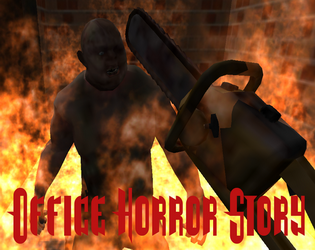
Office Horror Story transforms the mundane workspace into a nightmare landscape where corporate drudgery gives way to cosmic horror. You navigate a seemingly ordinary office building that harbors unspeakable secrets, hostile entities, and mysteries encoded in its very architecture. This is survival horror grounded in psychological realism—the terror emerges not from supernatural spectacle but from the grotesque collision between familiar corporate environments and incomprehensible otherworldly forces.
The game establishes atmosphere through environmental design and audio detail. Fluorescent lights flicker with unnatural rhythms. Office equipment malfunctions in disturbing ways. Corridors extend impossibly far. Colleagues appear and disappear, their fates unknown. Audio design plays crucial role—distant screams, electronic distortions, whispered voices, and the oppressive silence punctuated by sudden sounds create persistent psychological pressure. The office becomes increasingly alien as you progress, revealing that something fundamental about this workplace contradicts reality.
What distinguishes Office Horror Story is its integration of survival mechanics with exploration and puzzle-solving. You're not just investigating mysteries; you're fighting for survival against entities that defy comprehension. Combat mechanics emphasize desperation rather than empowerment—you have limited ammunition, weapons that might be ineffective against certain threats, and the constant pressure of resource scarcity. Puzzle-solving and exploration determine what resources you access and which combat encounters you can survive. The game forces difficult decisions: do you engage threats or flee? Do you use ammunition now or conserve it? Do you investigate mysteries or prioritize escape?
For players seeking survival horror that challenges both mentally (through puzzles and narrative) and tactically (through combat and resource management), Office Horror Story delivers. This is horror for those who appreciate atmosphere, narrative depth, and mechanical engagement simultaneously. The corporate office becomes a character itself—a space that simultaneously feels familiar and deeply wrong, generating existential dread through juxtaposition of the mundane and the incomprehensible.
Key Details
Genre: Survival Horror / Psychological Thriller / First-Person Shooter Elements
Difficulty Level: Medium/Hard
Average Play Time: 120-180 minutes
Best For: Horror enthusiasts, survival game fans, puzzle lovers, players seeking atmospheric narrative horror, those comfortable with combat mechanics, fans of workplace-set horror
How to Play Office Horror Story
Getting Started
Acclimate to the office environment – take time to observe visual and audio design, understanding the space's layout and atmosphere
Learn movement and camera controls – practice navigating using WASD and rotating your view with mouse; spatial awareness is crucial
Examine your starting area thoroughly – search for items, read documents, and gather initial resources before encountering threats
Encounter your first hostile entity and learn combat mechanics through controlled engagement; understand weapon effectiveness and threat patterns
Complete the first puzzle that illustrates how exploration, resource gathering, and problem-solving interweave in gameplay progression
Basic Controls
WASD or Arrow Keys: Move forward, backward, left, and right through the office environment
Mouse Movement: Rotate your view 360 degrees, looking around and aiming at threats
Left Mouse Button: Fire your current weapon at enemies or solve puzzle interactions
Right Mouse Button: Aim precisely at threats; enables better accuracy but may reduce mobility
Mouse Wheel: Cycle through available weapons; understand which weapons are equipped
R Key: Reload your current weapon; ammunition management is crucial
F Key: Pick up objects, items, and resources found throughout the office
Left Shift: Execute actions requiring physical exertion (running faster, climbing, pushing objects)
Left Ctrl: Crouch to move stealthily, reduce visibility to threats, or fit through tight spaces
X Key: Slide or dash quickly; useful for evading threats or crossing dangerous areas
Spacebar: Jump over obstacles, reach elevated areas, or avoid ground-level threats
Objective
Your interconnected goals form the game's survival progression
Survive encounters with hostile entities by understanding their patterns, managing ammunition, and making tactical combat decisions
Explore the office systematically to discover resources, weapons, ammunition, and solutions to puzzles blocking progress
Solve environmental puzzles that require item collection, logic, and understanding the office's layout and mechanics
Uncover the narrative through documents, environmental storytelling, and entity encounters that gradually reveal the office's dark secrets
Manage limited resources (ammunition, health items, batteries for flashlights) strategically to sustain yourself through multiple encounters
Navigate to specific locations as your investigation progresses, following clues and pursuing objectives
Reach the conclusion determined by your survival success, puzzle-solving ability, and understanding of the mysteries
Success means surviving the office and escaping or resolving the narrative. Mastery means navigating all encounters efficiently while understanding the complete story.
Office Horror Story Features & Highlights
- Immersive Atmospheric Design – Unsettling audio, flickering lighting, spatial distortion, and environmental details create pervasive psychological dread
- Combat Mechanics with Resource Scarcity – Meaningful combat encounters where ammunition is limited, forcing strategic weapon choice and tactical thinking
- Integrated Puzzle-Solving – Environmental puzzles require exploration, item collection, and logic; solutions often connect to narrative or combat preparation
- Narrative Discovery System – Dark secrets gradually emerge through documents, environmental storytelling, and entity encounters; encourages thorough exploration
- Threat Variety – Different entities require different tactical approaches; understanding threat types and weaknesses becomes crucial for survival
- Environmental Hazards – The office itself presents dangers (electrical hazards, structural instability, spatial anomalies) alongside hostile entities
- First-Person Perspective – Immersive vantage point that intensifies horror through restricted vision and direct threat confrontation
- Progressive Difficulty Escalation – Early encounters establish mechanics; later threats become more challenging, demanding learned skills and careful preparation
Office Horror Story Tips & Strategies
Beginner Tips
Master movement controls immediately – Comfortable navigation is essential; practice moving, turning, and strafing before encountering significant threats
Search every room thoroughly – Items, ammunition, and documents are scattered throughout; careful exploration provides resources and narrative understanding
Read all documents – Notes, emails, and reports provide story context while sometimes containing direct puzzle hints or threat information
Conserve ammunition wisely – Not every threat requires combat; understand when evasion or avoidance is preferable to engagement
Use audio cues strategically – Listen for approaching threats, distant screams, or electronic anomalies; audio often precedes visual danger
Common Mistakes to Avoid
Don't waste ammunition on every encounter – Some threats are better avoided; understand which enemies you must fight versus which you can evade
Avoid ignoring resource warnings – When ammunition becomes scarce or health is low, your tactics must change; adapt rather than persisting with ineffective approaches
Don't explore alone without preparation – Before venturing into new areas, ensure you have sufficient ammunition, health items, and understand available escape routes
Quick Win for Starting Out
Spend time in the starting area collecting every item and understanding the space before moving deeper
Read all documents to build story understanding and gather tactical information
Experiment with different weapons on weaker enemies to understand their effectiveness
Practice combat mechanics (aiming, strafing, reloading) in low-pressure encounters
Map room connections mentally; understanding space helps you plan escape routes
Advanced Strategies
Exploit entity behavior patterns – Most threats follow predictable behaviors; observe and exploit these patterns to minimize ammunition usage
Plan movement routes strategically – Understanding office layout allows you to anticipate threat locations, prepare ambushes, and plan efficient escape routes
Combine resources tactically – Some items serve multiple purposes; using resources efficiently (health items to enable aggressive pursuit, weapons strategically switched based on threat type) maximizes survivability
Use environmental hazards – Electrical dangers, unstable structures, and spatial anomalies can damage entities just as they damage you; exploit the environment tactically
System Mastery Tip
Master threat prioritization – When multiple threats appear simultaneously, understanding which to engage, which to avoid, and which to fight defensively transforms overwhelming situations into manageable encounters. Develop intuition about threat priority through experience.
What to Watch Out For
The Server Room Encounter – This area contains multiple threats in confined space with limited ammunition visibility. Don't rush; understand enemy positions before engaging. Use the environment (servers as cover, electrical hazards as weapons) to manage encounter
Resource Depletion Crisis – If you waste ammunition early, later encounters become genuinely difficult. Conservative ammo use early means you have options later. Some players intentionally restart after significant ammunition waste rather than persisting with unfavorable odds
The Narrative Twist Location – A specific area reveals fundamental contradictions in the story's logic. Reaching this location changes how you interpret previous encounters. Be prepared for reality itself seeming unreliable
Office Horror Story Elements Explained
Combat System and Threat Engagement
Office Horror Story's combat emerges from resource scarcity and threat sophistication. You don't fight with game-balance guarantees of victory; you fight with uncertainty and the constant awareness of limited ammunition. This creates authentic tension—combat isn't a guaranteed win but a calculated risk where engagement decisions matter.
Different threats require different tactical approaches. Some entities are vulnerable to specific weapons. Others require sustained fire. Some are deterred by environmental hazards. Understanding threat types and their vulnerabilities becomes crucial knowledge. Early combat teaches you to observe threats before engaging—their appearance, movement patterns, and sound design often indicate tactical requirements. Combat in Office Horror Story isn't about mechanical skill (though aim helps); it's about preparation, information gathering, and strategic decision-making. A well-prepared engagement with minimal ammunition is better than an unprepared engagement with maximum firepower.
Resource Management and Scarcity Economics
Ammunition, health items, and consumables are genuinely scarce. You cannot simply shoot your way through the office; you must make difficult decisions about when to engage and when to avoid. This scarcity creates psychological pressure—every shot carries weight because you're aware of finite resources. Puzzle-solving and exploration determine what resources you access, making exploration strategically important.
This system creates emergent gameplay where player choices create their own difficulty. Wasting ammunition early makes later sections harder. Using health items liberally leaves you vulnerable later. Conservative resource use allows flexibility in response to unexpected situations. The game rewards careful planning and strategic thinking; it punishes wasteful engagement. This approach transforms resource management from tedious logistical concern into strategic depth where every resource decision has meaningful consequences.
Puzzle Integration with Exploration
Puzzles in Office Horror Story aren't separate mechanical challenges; they're obstacles that resource gathering and environmental understanding can overcome. A locked door requires finding a keycard. A barred passage requires finding an alternative route or gathering items to bypass it. A coded lock requires discovering the code through exploration.
This integration means solving puzzles requires thorough exploration. You must search offices, examine desks, read documents, and understand the space to gather what puzzles demand. Puzzles also serve pacing function—they provide safe moments where you can gather resources and prepare for upcoming combat encounters. Understanding puzzle solutions often provides narrative context that improves subsequent combat or exploration. Puzzles aren't interruptions to horror; they're moments where horror takes different form—the dread of being trapped, the pressure of understanding time is limited, the anxiety of preparation before known threats.
Office Horror Story Frequently Asked Questions
Q: I keep running out of ammunition. What should I do?
A: First, ensure you're exploring thoroughly; ammunition is scattered throughout levels, hidden in offices and maintenance areas. Second, understand which threats you can avoid or evade rather than fight. Third, learn which weapons are most efficient against which threats; some weapons waste ammunition while others are devastating. Finally, consider whether you're using ammunition on threats you should be avoiding entirely. Some entities are better escaped than fought.
Q: How do I know when to fight versus when to flee?
A: Observe threat behavior and consider available resources. If you have ammunition, health items, and the entity isn't blocking your objective, fighting might be appropriate. If ammunition is scarce, health is low, and you have an escape route, fleeing is wiser. Some encounters are designed to be avoided rather than won. Understanding which encounters are mandatory versus optional comes through experience and careful observation of threat behavior.
Q: What's the best weapon for different threats?
A: Different entities have different vulnerabilities. The game teaches these through experimentation and through environmental clues. Some weapons are general-purpose; others are specialized. Understanding that diversity in your weapon selection is valuable—carrying one powerful weapon means being unprepared if threats require different ammunition types. Adaptability is rewarded.
Q: Can I solve this game without combat?
A: Generally no, though you can minimize combat. Some encounters are designed to force engagement. However, understanding which encounters are mandatory versus optional allows you to minimize unnecessary fighting. Strategic avoidance and combat selection reduces overall threat engagement while still requiring you to survive mandatory encounters.
Q: How important is the story to progressing mechanically?
A: Moderately important. Understanding the narrative provides context for environmental layout and threat behavior. Documents sometimes contain information about entity vulnerabilities or puzzle solutions. However, you can progress without complete narrative understanding by systematically exploring and solving puzzles mechanically. Engagement with story enriches experience rather than being absolutely required.
Q: What if I miss a critical item?
A: Most items can be revisited if you return to rooms where you found them. The game typically doesn't permanently lock you out of progression due to a single missed pickup. However, you might need to backtrack, potentially into dangerous areas. Careful collection during exploration prevents wasted time.
Q: Are there multiple endings?
A: Office Horror Story typically features a primary ending determined by reaching the conclusion. However, how thoroughly you've explored and which puzzles you've solved might influence narrative nuances. Different players' experiences vary based on their choices and understanding, but there's generally one main ending rather than multiple branching conclusions.
Q: How does difficulty scale as I progress?
A: Threat difficulty generally escalates. Early encounters introduce mechanics and teach you threat behaviors. Mid-game encounters become more challenging, requiring better ammunition management and tactical thinking. Late-game becomes significantly more difficult, with multiple simultaneous threats and scarce resources. The escalation is designed to keep players engaged as they become more skilled.
Q: What platforms can I play this on?
A: Office Horror Story is primarily available on PC. Some versions may be available on consoles (PlayStation, Xbox) or mobile devices, though availability varies. Check current platforms before purchasing. The game may receive different versions optimized for different hardware.
Q: Is this game scarier than other survival horror games?
A: Fear response is subjective, but Office Horror Story creates dread through atmosphere, sound design, and the collision of familiar (office) and unfamiliar (cosmic horror). Some players find office settings more unsettling than traditional horror locations because the juxtaposition of mundane and horrific is particularly effective. If you're sensitive to psychological horror or workplace-related anxiety, this game might be particularly effective at generating fear.
Q: How long is a typical playthrough?
A: Most players take 120-180 minutes depending on exploration thoroughness and combat efficiency. Some players take longer by carefully exploring every area and reading all documents. Others progress faster by following direct paths to objectives. The game rewards thorough play with better narrative understanding and resource gathering opportunities.
Q: Can I adjust difficulty settings?
A: The game typically features difficulty modes affecting threat aggression, ammunition availability, and resource scarcity. Lower difficulties provide more resources and less aggressive threats. Higher difficulties create genuine survival challenges. Choose difficulty matching your skill level and desired experience. There's no shame in adjusting difficulty if you find specific encounters overwhelming.
Q: What makes Office Horror Story unique compared to other horror games?
A: The combination of familiar corporate environment with cosmic horror, integrated survival mechanics with exploration and puzzles, and emphasis on atmosphere and narrative over jump scares distinguishes it. Unlike many horror games that use supernatural locations, Office Horror Story makes the mundane horrifying through juxtaposition. Unlike pure action games, it emphasizes resource management and decision-making over mechanical skill. Unlike narrative-only games, it requires tactical engagement with mechanical threats.
Games Like Office Horror Story You Might Enjoy
If you like Office Horror Story, you might also enjoy:
- Overnight Interview - it leans into eerie story clues, confined spaces, and slow-burn horror discovery.
- The Coffin of Andy and Leyley - it leans into eerie story clues, confined spaces, and slow-burn horror discovery.
- Human Expenditure Program - it leans into eerie story clues, confined spaces, and slow-burn horror discovery.