
Five Nights at Treasure Island Remastered Overview
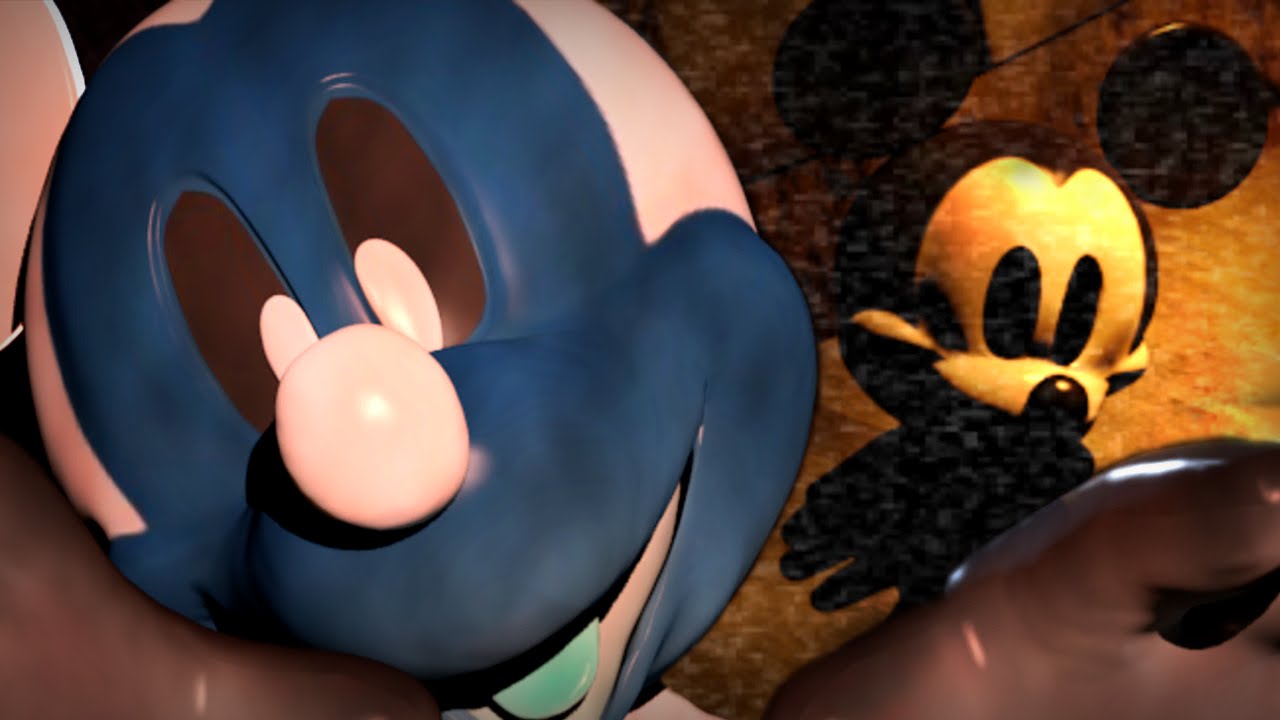
Five Nights at Treasure Island: Remastered transforms the FNAF survival formula into something genuinely unique by replacing animatronics with haunted, decaying Disney character mascot suits. Based on the infamous "Abandoned By Disney" creepypasta, this fan game creates horror through the uncanny distortion of beloved characters corrupted into nightmarish entities. Rather than generic robots, you face Photo Negative Mickey, The Face, Oswald, and other grotesque manifestations—creatures that are far more psychologically disturbing than traditional animatronics precisely because of what they're based on.
Treasure Island: Remastered elevates the FNAF template through specialized mechanics uniquely suited to its premise. Instead of simple door management, you employ sophisticated surveillance systems, camera shutoffs that emit repelling signals, monitor flipping techniques, and hiding mechanics. Each entity requires specific defensive responses—some are repelled by camera shutoff signals, others only by monitor manipulation, some force you to hide and break their line of sight. This mechanical diversity creates puzzle-like threat management where understanding each entity's weakness becomes crucial to survival.
What makes Treasure Island: Remastered exceptional is its psychological horror foundation. The game doesn't rely on cheap jumpscares but rather on the disturbing nature of corrupted familiar characters hunting you through an abandoned island. The atmosphere is thick with dread. Audio design, visual distortion of iconic characters, and the isolation of being hunted by grotesque entities create lasting psychological impact. For players seeking FNAF-style survival with genuinely disturbing imagery and mechanics that force active participation rather than passive door management, Treasure Island: Remastered delivers psychological horror that burrows into your psyche.
Key Details
Genre: Survival Horror / Psychological Thriller
Developer: Fan-made (based on "Abandoned By Disney" creepypasta)
Difficulty Level: Hard
Average Play Time: 20-30 minutes per night
Best For: FNAF enthusiasts seeking psychological horror, creepypasta fans, players wanting unique mechanics, horror fans who appreciate atmospheric dread
How to Play Five Nights at Treasure Island Remastered
Getting Started
Monitor the Island - Access your surveillance system to observe six different rooms
Track Entity Movement - Use cameras to locate haunted mascot suits and anticipate their approach
Manage Defense Systems - Employ camera shutoffs, monitor flipping, and hiding to deter threats
React Decisively - Success depends on reaction speed and understanding entity-specific defense mechanisms
Survive the Night - Endure from midnight to 6:00 AM using specialized survival techniques
Adapt Strategies - Learn which defensive techniques work against specific entities
Basic Controls
Mouse - Interact with cameras, navigate the security monitor, and manage office systems
Left-Click - Select cameras, interact with objects, and perform context-dependent actions
SPACE Bar - Shut off cameras (emits signal repelling most entities) or hide (when entity is present)
Monitor Flip - Move mouse to bottom of screen to raise/lower monitor and deter specific entities like The Face
Camera Navigation - Switch between six different rooms to monitor entity locations
Office Interaction - Use environment to hide and break entity line of sight when they enter your office
Objective
Your mission is to survive five nights as night guard on the abandoned, cursed island. To succeed, you must:
Monitor all six rooms using the security camera system
Track entity movement patterns and anticipate threats approaching your office
Employ camera shutoffs at precise moments to repel advancing entities
Use monitor flipping to deter entities immune to camera signals
Hide effectively when entities enter your office, breaking their line of sight
Understand entity-specific behaviors and defensive counters
Survive each night from midnight to 6:00 AM
Complete all five nights without being caught by haunted mascot entities
Five Nights at Treasure Island Remastered Features & Highlights
- Unique Entity System - Face corrupted Disney characters rather than generic animatronics; psychological horror through familiar-turned-grotesque imagery
- Specialized Defensive Mechanics - Different entities require specific survival techniques: camera shutoffs, monitor flipping, and hiding strategies
- Sophisticated Surveillance System - Monitor six distinct rooms and track entity movement requiring constant vigilance and pattern recognition
- Reaction-Based Gameplay - Success depends on millisecond-perfect timing and quick decision-making under pressure
- Psychological Horror Design - Creates lasting dread through atmospheric storytelling and disturbing entity designs rather than cheap jumps
- Creepypasta Integration - Based on the legendary "Abandoned By Disney" internet horror story, adding narrative depth and community resonance
Five Nights at Treasure Island Remastered Tips & Strategies
Beginner Tips
Learn Entity Weakness Chart - Understand which defense technique works against each entity; knowledge prevents panic-based mistakes
Monitor Consistently - Develop camera-checking patterns that provide adequate threat awareness without psychological burnout
Timing is Everything - Camera shutoffs require precise timing; shut off cameras the instant you see an entity approaching
Monitor Flipping for The Face - Specific entities require monitor manipulation; learn which threats respond to which techniques
Common Mistakes to Avoid
Shutting off cameras too early or too late; millisecond timing determines success or failure
Failing to recognize which entity requires which defense; applying wrong techniques wastes resources
Ignoring certain camera feeds; entities can approach from unexpected directions
Panicking when entities enter your office; calm, deliberate hiding breaks their line of sight more effectively
Advanced Strategies
Entity Pattern Recognition - Each haunted suit follows predictable routes; memorize approach patterns to anticipate threats
Optimal Camera Rotation - Develop camera-checking sequences that provide maximum threat awareness with minimum surveillance time
Hiding Location Mastery - Understand which hiding spots work against specific entities; some can detect certain locations
Proactive Defense - Shut off cameras preemptively when you anticipate entity arrival rather than reacting desperately to imminent threats
What to Watch Out For
The Face - This entity requires monitor flipping rather than camera shutoffs; standard defense techniques fail against it
Simultaneous Multiple Threats - Different entities can approach from different directions; maintain comprehensive surveillance
Entity Behavioral Escalation - Each night brings more aggressive entity behavior; adapt strategies accordingly
False Security - Periods without visible threats can lead to reduced vigilance; entities can exploit carelessness
Five Nights at Treasure Island Remastered Elements Explained
Corrupted Entity System: Treasure Island: Remastered's defining feature is its haunted mascot entities—distorted versions of beloved Disney characters transformed into grotesque, psychologically disturbing creatures. Photo Negative Mickey, The Face, Oswald, and others aren't mindless killers but haunted entities with distinct personalities, behaviors, and weaknesses. Each entity possesses unique approach patterns, vulnerability to specific defensive techniques, and psychological impact through their appearance. The horror comes partly from these entities being recognizable yet horrifyingly wrong—the cognitive dissonance of familiar characters corrupted creates psychological discomfort beyond standard animatronic horror. Understanding each entity's nature (Mickey hunts methodically, The Face behaves erratically, etc.) becomes crucial to survival.
Advanced Surveillance Mechanics: Rather than simple camera switching, Treasure Island: Remastered employs sophisticated surveillance requiring active engagement. You monitor six distinct rooms, tracking entity movement through visual feeds and audio cues. The camera system isn't just informational—it's your primary defensive tool. Shutting off a camera while an entity is present emits a signal repelling most creatures. Understanding when to shut off cameras requires predicting entity movement; timing determines success or failure. The surveillance system transforms passive monitoring into active defense, making the act of watching cameras gameplay itself rather than menu navigation.
Entity-Specific Defense Framework: Each haunted entity requires different defensive responses. Most are repelled by camera shutoff signals—shutting off the camera at the precise moment they appear triggers a defensive signal. The Face, however, is immune to camera signals and requires monitor flipping—raising and lowering your monitor physically deters this entity. When entities breach your office, hiding becomes necessary—you must use environment strategically to break their line of sight. This mechanical diversity prevents the game from feeling repetitive; adapting defensive techniques to each entity creates puzzle-like challenge. Learning which techniques work against which entities is essential; applying wrong defenses wastes precious time.
Psychological Horror Through Atmosphere: Treasure Island: Remastered creates horror not through constant jumpscares but through psychological dread and atmospheric design. The abandoned island setting, corrupted character designs, unsettling audio cues, and isolation create pervasive unease. You feel hunted by grotesque entities in an oppressive environment. The psychological impact builds through anticipation—knowing entities are approaching creates tension before they arrive. The disturbing nature of familiar characters corrupted into monsters creates cognitive discomfort transcending simple fear responses. This psychological approach creates more lasting horror than jump-scare dependent games; you feel genuine dread rather than adrenaline spikes.
Five Nights at Treasure Island Remastered Frequently Asked Questions
Q: How does Treasure Island: Remastered differ from traditional FNAF games? A: Rather than animatronics, you face haunted Disney character mascots. Defensive mechanics are specialized and entity-specific rather than universal door management. The psychological horror comes from recognizable characters corrupted into grotesque entities. Camera shutoffs and monitor flipping replace simple door closures.
Q: What's the significance of the "Abandoned By Disney" creepypasta connection? A: Five Nights at Treasure Island: Remastered is based on the legendary internet horror story "Abandoned By Disney." This connection provides narrative depth and psychological weight; fans of the original creepypasta appreciate seeing those haunting stories realized in interactive form.
Q: How do I defeat Photo Negative Mickey versus The Face? A: Photo Negative Mickey is repelled by camera shutoffs—shut off the camera at the precise moment he appears. The Face, however, is immune to camera signals and requires monitor flipping. Understanding which entity requires which defense is crucial to survival.
Q: What's the optimal camera-checking strategy? A: Develop rotation patterns that monitor all six rooms regularly without exhausting yourself. Prioritize rooms where threatening entities are present. Adjust your patterns based on current night's entity distribution. Balance comprehensive surveillance against psychological sustainability.
Q: Can I survive by only using one defense technique? A: No, different entities require different defensive responses. Relying on single techniques fails against entities immune to those techniques. Learning entity-specific weaknesses and adapting your defense is mandatory for survival.
Q: How does monitor flipping work mechanically? A: Move your mouse to the bottom of the screen to flip your monitor up or down. This specific defense is required for entities like The Face that are immune to camera shutoff signals. Timing is crucial; flipping at the right moment repels the entity.
Q: What happens if I fail to defend against an entity? A: Getting caught triggers jumpscare sequences and game over. You'll restart at the beginning of that night. Learning from failures—understanding what defense technique you missed—informs better strategies on replay.
Q: How long does a complete five-night playthrough take? A: A typical first playthrough takes 20-30 minutes, though variations occur based on skill and learning pace. Speedrunners may complete it faster; players struggling with mechanics may require multiple attempts and longer overall time.
Q: Are there multiple endings based on performance? A: Most FNAF-style games feature consistent endings once all five nights are completed. Performance may influence epilogue variations or unlockable content, but the primary narrative conclusion remains consistent.
Q: Can I play Treasure Island: Remastered on mobile devices? A: Availability on mobile depends on specific version and distribution. Some fan games have been ported to mobile platforms; others remain browser or PC-exclusive. Check the game's distribution platform for compatibility.
Q: What makes this creepypasta game scarier than traditional FNAF? A: The psychological horror comes from familiar Disney characters corrupted into grotesque entities. This familiarity combined with distortion creates cognitive discomfort transcending simple animatronic fear. The isolation on an abandoned island and the specialized defense mechanics create constant tension.
Q: Is there a story or just survival gameplay? A: Like the original "Abandoned By Disney" creepypasta, the game implies a dark narrative through environmental storytelling and entity presence. The primary focus remains survival, but narrative elements enrich the experience for players seeking story context.
Q: How is this game received by the horror community? A: Treasure Island: Remastered is widely praised for successfully adapting creepypasta concepts into interactive gameplay. The community appreciates the psychological horror approach, unique entities, and mechanics that distinguish it from standard FNAF games.
Q: Should I read the "Abandoned By Disney" creepypasta before playing? A: While not required, reading the creepypasta provides narrative context and deepens appreciation for entity designs and the island setting. However, the game functions as complete standalone experience for players unfamiliar with the source material.
Q: What's the most challenging night? A: Night five presents maximum entity aggression and minimal safe windows. Entities approach frequently and unpredictably. Success on night five requires mastery of all defense techniques and near-perfect timing.
Games Like Five Nights at Treasure Island Remastered You Might Enjoy
If you like Five Nights at Treasure Island Remastered, you might also enjoy:
- FNAF 6 - it keeps the animatronic pressure, camera checks, and night-shift tension close to the same survival rhythm.
- FNAF 6 Plus - it keeps the animatronic pressure, camera checks, and night-shift tension close to the same survival rhythm.