


The Coffin of Andy and Leyley Overview
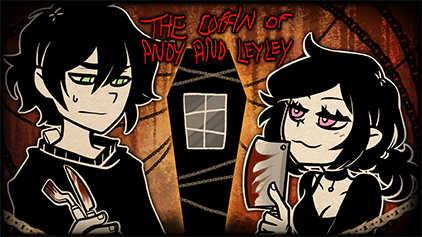
The Coffin of Andy and Leyley is a psychologically devastating narrative-driven RPG that plunges you into the fractured world of two siblings struggling to survive impossible circumstances. Set in a decaying apartment as a parasitic apocalypse ravages the outside world, the game explores the darkest aspects of human nature—desperation, moral compromise, toxic codependency, and the unspeakable lengths people will go to for survival.
You play as Andy, navigating an increasingly nightmarish existence alongside your sister Leyley. The bond between you is simultaneously your greatest anchor and your deepest wound. The game doesn't shy away from depicting toxic relationships with unflinching honesty. Leyley is manipulative, self-destructive, and desperately dependent on you. You're exhausted, traumatized, and facing impossible moral choices. Every conversation is fraught with tension. Every decision carries weight. The game forces you to witness moral decay—your own and hers—as the pressure of confinement and starvation warps you both into increasingly unrecognizable versions of yourselves.
What makes The Coffin of Andy and Leyley extraordinary is its refusal to provide comfort or easy answers. This is horror grounded in psychological realism rather than supernatural terror. The real horror emerges from human cruelty, desperation, and the capacity for self-deception. Flashbacks to your parents reveal the tragic roots of your dysfunction. Environmental puzzles and resource management force you to confront survival ethics. Dialogue choices determine whether you'll enable Leyley's destructiveness or attempt impossible emotional boundaries. This is not entertainment in the traditional sense—it's an experience designed to disturb, challenge, and make you uncomfortable. For players seeking genuine psychological horror, narrative depth, and willingness to confront dark themes, this game is unforgettable.
Key Details
Genre: Psychological Horror / Narrative RPG / Walk-and-Talk Adventure
Difficulty Level: Medium (Narrative-focused, not mechanically demanding)
Average Play Time: 120-180 minutes
Best For: Mature players seeking narrative depth, psychological horror enthusiasts, players comfortable with extreme themes, fans of character-driven storytelling, those exploring moral ambiguity
How to Play The Coffin of Andy and Leyley
Getting Started
Understand the setting – You're trapped in a decaying apartment with your sister as the outside world crumbles from parasitic infection; this confinement is both literal and psychological
Meet Leyley and observe her volatile emotional state; your relationship with her will define the entire experience
Explore your apartment carefully – examine objects, search for hidden items, and begin understanding the resource situation you're facing
Engage in your first meaningful conversation with Leyley; pay attention to dialogue options and how your words affect her state
Confront the first crisis – something unsettling will happen (a knock at the door, a strange sound); your response establishes your survival approach
Basic Controls
Arrow Keys or WASD: Move through environments and navigate rooms
Z Key, Spacebar, or Enter: Interact with objects, talk to Leyley, examine items, and make dialogue choices
X Key or Escape: Access inventory, review collected items, open menus, and save progress
Shift (Hold) + Movement: Dash/run to move faster through environments
Mouse (in dialogue): Select dialogue options during conversations
Objective
Your layered goals form the game's brutal narrative
Survive each day by managing resources (food, water, heat) and addressing immediate crises
Navigate your toxic relationship with Leyley through dialogue choices that can reassure, manipulate, or distance her
Solve environmental puzzles to repair essential appliances (the heater, finding food sources) and maintain basic survival
Uncover family history through increasingly disturbing flashbacks that reveal your parents' legacy and its influence on your dysfunction
Make impossible ethical choices regarding survival methods that degrade your humanity in measurable ways
Reach an ending determined by your accumulative decisions, moral compromises, and emotional management of Leyley
Confront the mystery of what's happening outside and what forces are truly threatening your survival
Success means completing the narrative journey. Mastery means recognizing the inevitable tragedy encoded in your choices from the beginning.
The Coffin of Andy and Leyley Features & Highlights
- Unflinching Psychological Horror – Explores toxic relationships, moral decay, and survival desperation with brutal honesty; horror emerges from human nature, not jump scares
- Branching Narrative with Genuine Consequences – Dialogue choices meaningfully affect Leyley's emotional state, plot progression, and which ending you experience
- Complex Character Dynamics – The sibling relationship is the game's true focus; toxicity, codependency, love, and resentment intertwine realistically
- Narrative RPG Elements – Light puzzles, resource management, and crisis response integrate with storytelling rather than existing as separate mechanics
- Traumatic Flashback Sequences – Haunting scenes involving your parents gradually illuminate the Graves family tragedy and its continuing influence
- Resource Scarcity Pressure – Managing supplies (food, water, heat) creates constant tension and forces moral compromises for survival
- Atmospheric Environmental Design – The decaying apartment becomes increasingly oppressive; visual details reflect psychological deterioration
- Mature Thematic Exploration – Addresses cannibalism, isolation, self-harm, emotional abuse, and the psychological costs of survival with unflinching nuance
The Coffin of Andy and Leyley Tips & Strategies
Beginner Tips
Pay close attention to dialogue options – They're not cosmetic; your word choices genuinely affect Leyley's mental state and future plot branches
Search environments thoroughly – Hidden items are crucial for survival; examine walls, mirrors, furniture, and unusual spaces
Don't ignore resource warnings – When supplies run low (indicated by dialogue and environmental cues), take the warnings seriously; scarcity creates narrative tension intentionally
Accept moral compromise – This game doesn't reward moral purity; survival often demands ethically questionable choices; don't expect to maintain your principles intact
Common Mistakes to Avoid
Don't dismiss Leyley's concerns – While she's toxic and manipulative, her fears are often grounded in real threats; balancing skepticism with validation is crucial
Avoid ignoring crisis events – When something alarming happens (knocks on the door, strange sounds), engaging with these moments matters; they're not random
Don't hoard supplies reflexively – Sometimes sharing resources (even when scarce) affects relationship dynamics and plot progression; resource management is about survival ethics, not optimization
Quick Win for Starting Out
Explore thoroughly in the early game to understand available resources and item locations
Pay attention to Leyley's emotional tone; reassurance can prevent destructive plot spirals
Try different dialogue approaches to see how they affect her reactions
Save before major conversations to experiment with different choices
Advanced Strategies
Study Leyley's patterns – Her behavior follows logical psychological progression; understanding her triggers helps you navigate conversations strategically
Track resource scarcity intentionally – Don't just respond to hunger; anticipate shortages and make proactive choices about rationing that reflect your character's moral state
Embrace narrative inevitability – The game suggests that tragedy is encoded in your family history; choices matter but don't override fundamental dysfunction; accept this to appreciate the story fully
System Mastery Tip
Recognize dialogue subtlety – Options aren't labeled as "good" or "bad"; choices that seem compassionate might enable harmful behavior, and boundaries might seem cruel but be necessary. The game rewards moral complexity over moral clarity.
What to Watch Out For
The Spiral Point – At a critical narrative juncture, Leyley reaches a psychological breaking point. Dialogue choices here have permanent consequences; choose carefully as you cannot fully undo this moment's effects
Resource Depletion Crisis – When supplies become critically scarce, the game forces you to confront your true survival priorities. This is psychologically difficult; prepare yourself mentally for what you might choose
Flashback Trauma – Sequences involving your parents are deliberately disturbing and reveal family horrors. These aren't just atmospheric; they provide crucial context for understanding present dysfunction. Don't skip them emotionally
The Coffin of Andy and Leyley Elements Explained
Dialogue System and Emotional Management
The dialogue system is the game's primary mechanical layer. Unlike traditional RPGs with clearly aligned dialogue options, The Coffin of Andy and Leyley presents choices that reflect genuine human communication complexity. You might be "nice" but enable harmful behavior. You might be "harsh" but establish necessary boundaries. Leyley responds not to objective morality but to your emotional availability, validation, and whether you're meeting her desperate need for connection.
Understanding Leyley's emotional arc is crucial. She cycles through desperation, anger, neediness, and self-destructiveness. Your dialogue choices either escalate these states or provide temporary relief. However, relief is temporary; underlying dysfunction persists. This system captures the reality of navigating toxic relationships—there are no dialogue trees that "fix" the person, only choices about how you'll manage the ongoing dysfunction. Mastering this system means accepting that you can't save Leyley through perfect conversations; you can only choose how much you're willing to compromise yourself in the attempt.
Resource Management and Survival Ethics
Food, water, and heat aren't just gameplay mechanics—they're moral pressure points. As supplies dwindle, you face choices that reveal character. Do you eat while Leyley starves? Do you conserve heat while she shivers? Do you attempt unthinkable survival methods? These aren't presented as puzzle optimization problems but as ethical dilemmas with no clean solutions.
The system creates constant background anxiety. When you're not in crisis, you're anticipating the next one. This mirrors real survival psychology—desperation doesn't arrive suddenly; it builds through accumulating scarcity. Each resource choice accumulates psychological weight. The game tracks your moral choices and reflects them in character dialogue and narrative tone. By endgame, you've made dozens of small compromises that collectively transform who you are. This system forces players to recognize how survival pressures erode ethics gradually rather than suddenly.
Puzzle Integration and Environmental Storytelling
Puzzles are minimal but meaningful. Repairing the heater isn't a mechanical challenge; it's a moment where you must actively choose whether to prioritize comfort or conserve resources. Finding hidden food items requires you to physically search spaces, creating paranoid intimacy with your confined environment. Deciphering cryptic symbols behind mirrors suggests psychological distortion—reality itself becomes uncertain.
These puzzles integrate with narrative because solving them often yields story information or resources that force future moral choices. A repaired heater means temporary comfort but fuel consumption anxiety. Found food means short-term relief but the knowledge that supplies are finite. The puzzles aren't challenges you "beat"; they're situations you navigate while managing their psychological implications. This integration creates a unique experience where mechanical engagement with the environment deepens narrative immersion rather than interrupting it.
The Coffin of Andy and Leyley Frequently Asked Questions
Q: How much of the game is actually horror versus dialogue and walking around?
A: The game is primarily narrative and dialogue-driven (approximately 60-70%), with exploration and environmental interaction comprising 20-25%, and puzzle-solving about 10-15%. The horror emerges from psychological narrative rather than jump scares or combat. If you're seeking action-oriented horror, this game isn't for you. If you appreciate psychological dread and narrative tension, this is exactly what you'll get.
Q: Can I achieve a "happy ending"?
A: Not in traditional terms. The game explores dysfunction too deep for happiness. Endings vary in degree of tragedy and how much agency you maintain, but none are conventionally "good." Some endings are less devastating than others; some offer bittersweet survival; some are genuinely devastating. The game's thesis is that certain family traumas have inescapable consequences. Accepting this is crucial for appreciating the narrative.
Q: What happens if I make choices I regret?
A: The game allows saving and provides multiple save slots. You can reload before major decisions to explore different branches. However, the game encourages commitment to choices—reloading constantly diminishes the psychological weight of decisions. Many players experience the game once through, then discuss their choices rather than replaying to optimize outcomes. The game values emotional honesty over mechanical perfection.
Q: How disturbing is the content?
A: Very. The game addresses cannibalism, emotional abuse, self-harm, parental trauma, and explores how desperation erodes morality. It's not gratuitous—the disturbing content serves narrative purpose—but it's unflinching. If you're sensitive to psychological horror, extreme themes, or depictions of toxic relationships, approach carefully. Content warnings exist for legitimate reasons.
Q: Is Leyley ever redeemable?
A: Leyley is a fully realized character, not a moral problem to solve. She's damaged, manipulative, self-destructive, and desperately dependent. Whether she's "redeemable" depends on how you define redemption. The game doesn't suggest that love can fix her or that your sacrifice will transform her. It explores what happens when two broken people are confined together with no escape. Your question about redemption is exactly what the game wants you to wrestle with.
Q: Can I avoid the "extreme" survival choices?
A: To some degree. Careful resource management and puzzle-solving might allow you to avoid certain desperate measures. However, the game's design makes some level of moral compromise nearly inevitable. Trying to maintain absolute ethics becomes another form of self-deception. The game's point is that survival often forces impossible choices; avoiding all of them might mean you haven't truly engaged with the narrative.
Q: How long is the game?
A: Most playthroughs take 120-180 minutes depending on exploration thoroughness and how much you read environmental details. Some players finish faster by rushing; others take longer by carefully engaging with every narrative moment. The game encourages slow, thoughtful play over speed, so taking your time is rewarded emotionally if not mechanically.
Q: What's the gameplay like technically—is it difficult?
A: No. There's no failure state in traditional terms. You can't die, lose, or get stuck mechanically. The difficulty is entirely emotional and narrative—processing disturbing content and living with the consequences of your choices. If you're seeking mechanical challenge, this isn't the game. If you're seeking emotional and psychological challenge, this delivers it in abundance.
Q: Should I play previous games first?
A: No. The Coffin of Andy and Leyley is a standalone experience. Familiarity with the developer's other work might provide context, but it's not required. The game is self-contained and introduces all necessary character and world information through its narrative.
Q: Is there a "correct" way to play?
A: There's no correct way, only honest ways. Play according to your values and emotional capacity. Some people maximize survival resources; others prioritize relationship with Leyley. Some accept desperate choices; others resist them. The game values your genuine response more than any "optimal" solution. Your playthrough is a reflection of your moral priorities and emotional limits—there's no external standard you should measure against.
Games Like The Coffin of Andy and Leyley You Might Enjoy
If you like The Coffin of Andy and Leyley, you might also enjoy:
- Overnight Interview - it leans into eerie story clues, confined spaces, and slow-burn horror discovery.
- Human Expenditure Program - it leans into eerie story clues, confined spaces, and slow-burn horror discovery.
- The House - it leans into eerie story clues, confined spaces, and slow-burn horror discovery.