



The House Overview
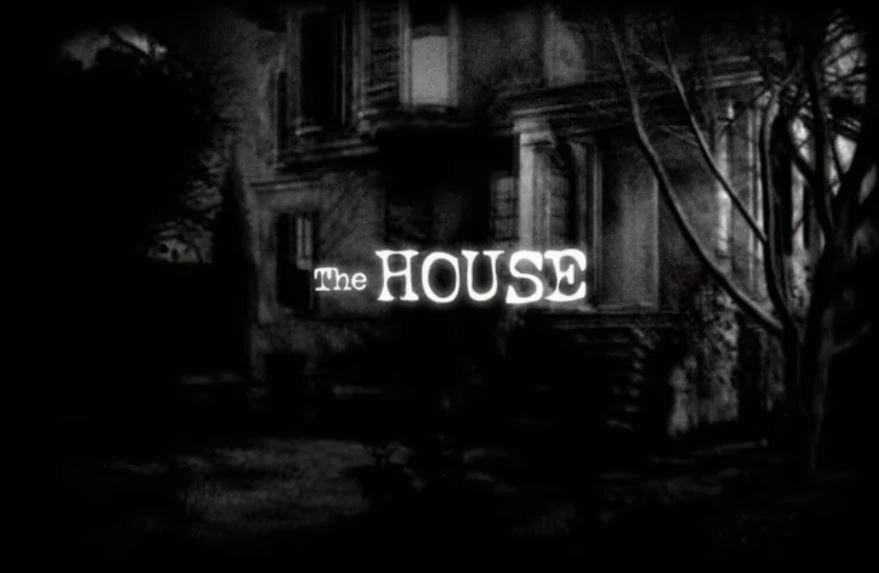
The House is a methodical point-and-click horror experience that transforms exploration into psychological warfare. You enter a haunted mansion room by room, uncovering increasingly disturbing phenomena through careful observation and deliberate interaction. This isn't action-oriented horror; it's a slow-burn descent into dread where patience becomes your greatest tool and curiosity your most dangerous impulse.
Each room presents its own mysteries. A painting might hide sinister secrets. A shadow might move when you're not looking directly at it. Repeated interactions with seemingly innocent objects can trigger horrifying events. The game rewards careful attention to detail and willingness to experiment with different interaction approaches. Sometimes you need to click the same object multiple times. Sometimes clicking in a specific sequence triggers events. Sometimes simply waiting in a room long enough causes something unsettling to happen. The House refuses to hold your hand—it trusts you to explore, fail, learn, and adapt.
What makes The House genuinely unsettling is its commitment to atmospheric horror. The sound design is deliberately creepy; every creak, whisper, and distortion serves psychological purpose. Visual effects are understated but deeply disturbing when they occur. The game doesn't rely on jump scares; instead, it builds dread through patient pacing, environmental storytelling, and the growing realization that something is fundamentally wrong with this place. As you progress through rooms, horror escalates. Early rooms feel merely unsettling. Later rooms become genuinely traumatic.
For players who appreciate psychological horror, those who enjoy discovery-based gameplay without hand-holding, and anyone with genuine courage seeking a legitimately unsettling experience, The House delivers. This is horror designed to test your nerve and reward your persistence. It's not about winning; it's about surviving the psychological toll of uncovering what lurks in every shadowed corner.
Key Details
Genre: Point-and-Click Horror / Psychological Exploration
Difficulty Level: Low (Mechanically simple; psychologically challenging)
Average Play Time: 45-90 minutes
Best For: Horror enthusiasts, patient explorers, players seeking genuine psychological dread, those who appreciate atmospheric horror over action, players with strong nerves
How to Play The House
Getting Started
Enter the first room and take time to observe – examine the environment, notice details (paintings, furniture, shadows), and become comfortable with the space
Start interacting with visible objects – click on paintings, furniture, shadows, and architectural features to trigger interactions
Pay attention to audio cues – listen for sounds that indicate something is happening; audio often precedes visual phenomena
Experiment with repetition – click the same object multiple times; some events require persistence
Observe subtle changes – watch for small environmental shifts (shadows moving, paintings changing, objects appearing/disappearing)
Basic Controls
Mouse Movement: Move your cursor through the room and around objects
Left Click: Interact with objects, trigger events, and progress through phenomena
Right Click: Sometimes provides alternative interactions or additional information about objects
Scroll Wheel: Navigate through multiple objects or zoom in for detailed examination
Patience/Waiting: Simply existing in a room without clicking sometimes triggers events; the game rewards patient observation
Objective
Your goals are exploration-based and mystery-focused
Explore each room thoroughly by examining every visible object and architectural feature
Trigger and survive room-specific phenomena by discovering interaction patterns unique to each space
Uncover the house's dark secrets through accumulated discoveries and emergent narrative
Adapt to escalating horror as you progress to new rooms with increasingly disturbing events
Develop interaction intuition by learning how the game responds to clicking, waiting, and experimentation
Complete exploration of all rooms to fully experience the haunted house's complete narrative
Confront the mystery's core by reaching the final room and discovering what or who is responsible for the house's haunting
Success means experiencing the full horror journey. Mastery means anticipating phenomena and maintaining composure through genuine psychological dread.
The House Features & Highlights
- Atmospheric Audio Design – Creepy sound effects, whispers, and disturbing audio cues create psychological dread without relying on loud jump scares
- Discovery-Based Gameplay – No tutorials or hand-holding; you must experiment, fail, learn, and discover interaction patterns yourself
- Room-Specific Phenomena – Each location presents unique mysteries and events, preventing gameplay from becoming formulaic
- Escalating Horror – Early rooms establish atmosphere; later rooms become genuinely traumatic, progressively testing your nerve
- Environmental Storytelling – The house itself tells stories through visual details, interactive objects, and accumulated phenomena
- Psychological Tension – Dread emerges from patient pacing, subtle disturbances, and the growing realization that something is fundamentally wrong
- Low Mechanical Complexity – Simple clicking mechanics allow focus on atmosphere and horror rather than mechanical skill requirements
- Rewarding Patience – Clicking the same object repeatedly or waiting in rooms often triggers events; persistence is rewarded
The House Tips & Strategies
Beginner Tips
Turn on audio – The sound design is crucial to the horror experience; play with speakers enabled for full psychological impact
Click everything methodically – Don't rush through rooms; systematically interact with every visible object and environmental feature
Be patient with repetition – If clicking an object once doesn't work, try multiple times; some events require persistent interaction
Notice subtle changes – Watch for small shifts in the environment; sometimes changes are understated but significant
Trust your instincts – If something feels wrong or unsettling, you're probably noticing something important
Common Mistakes to Avoid
Don't rush between rooms – Spending insufficient time in a room might cause you to miss phenomena; be thorough before leaving
Avoid ignoring audio warnings – Disturbing sounds often precede visual events; listen carefully as audio cues guide you toward discoveries
Don't give up on stuck interactions – If an object seems unresponsive, try clicking it multiple times or in different locations; persistence often reveals hidden interactions
Quick Win for Starting Out
Spend 5-10 minutes in the first room just observing before clicking anything
Systematically click on every object you can identify
If something doesn't work, wait a moment and try again
Take notes on what triggers what; patterns emerge
Advanced Strategies
Understand click patterns – Different objects respond to different click frequencies; some require rapid clicking, others single clicks, some respond to waiting between clicks
Read environmental context – The room's appearance often hints at what might happen; a painting of death might trigger disturbing phenomena, a mirror might reveal something hidden
Exploit audio cues – Listen for specific sounds that indicate particular phenomena; recognizing audio patterns helps you anticipate events
System Mastery Tip
Master timing and patience – The game rewards waiting. Some phenomena only occur if you spend sufficient time in a room without constant clicking. Develop comfort with silence and stillness; they're valuable tools.
What to Watch Out For
The Painting Room Trap – This area contains multiple interactive paintings. Each responds differently to interaction; some require multiple clicks, others react to waiting, others respond to specific click patterns. Systematic experimentation is essential
Audio Overload – At certain points, audio becomes deliberately distressing (layered whispers, overlapping sounds, disturbing frequencies). This is intentional. Don't panic; the game is testing your psychological tolerance. Stay engaged
The Mirror Phenomenon – Mirrors in this house don't always reflect what you expect. Pay close attention to what you see versus what should be there. Discrepancies are meaningful
The House Elements Explained
Environmental Interaction System
The House uses a deceptively simple interaction model where clicking is your only tool, but clicking mechanics are surprisingly sophisticated. Different objects respond to different interaction approaches. A painting might require a single click to respond immediately. A shadow might need repeated clicking to trigger manifestation. A mirror might require you to click at specific locations within it. Some objects respond to rapid clicking; others to patient, spaced clicking.
Understanding this variety prevents frustration. When an object seems unresponsive, it's not broken—it's waiting for the correct interaction approach. This system encourages experimentation and rewards persistence. It also creates discovery moments where you suddenly understand an object's secret interaction pattern, generating genuine satisfaction. The simplicity of the clicking mechanic masks sophisticated interaction depth. Mastering The House means developing intuition about how different objects "want" to be interacted with.
Audio-Visual Synchronization
The House uses audio and visuals in sophisticated concert. Sound effects don't just accompany phenomena; they often precede and trigger them. A creepy whisper might appear before a shadow moves. Distorted breathing might announce a visual transformation. This synchronization creates psychological impact greater than either element alone. You become attuned to audio cues as warnings and guides, heightening tension as you anticipate visual phenomena.
The game sometimes uses audio to create phenomena you don't directly see, forcing your imagination to complete the horror. A disturbing sound without obvious visual source creates psychological pressure—your mind fills in terrifying possibilities. This approach demonstrates sophisticated horror design. The most effective scares often emerge from what you imagine rather than what you see. The House exploits this psychological principle expertly.
Progressive Escalation and Narrative Building
The House structures horror through escalation. Early rooms establish atmosphere and teach interaction mechanics. Mid-section rooms introduce genuinely disturbing phenomena. Late rooms become psychologically intense. This progression prevents habituation—players can't adjust to early horror and become immune because each room raises intensity.
This structure also serves narrative function. As you progress, patterns emerge suggesting why the house is haunted and what force controls it. Early phenomena might seem random; later discoveries reveal connections and purpose. The house isn't just a collection of scary rooms; it's a narrative space where accumulated discoveries tell a story. By endgame, the house feels like a conscious, malevolent entity rather than a passive haunted location.
The House Frequently Asked Questions
Q: I'm stuck in a room and nothing is happening. What should I do?
A: First, ensure you've clicked on every visible object at least once. Second, try clicking the same object multiple times—some phenomena require persistent interaction. Third, try waiting in the room without clicking; sometimes events trigger after sufficient time passes. Fourth, try different click patterns (rapid clicking, spaced clicking, holding the mouse button). Finally, revisit the room later; sometimes your presence must change or you must discover something elsewhere before a room's phenomena manifest.
Q: Is there a "correct" sequence for exploring rooms?
A: Generally no; rooms are designed to be explored in any order once accessed. However, some phenomena might reference discoveries from other rooms, so exploring multiple rooms and comparing findings enriches understanding. The game doesn't lock content based on sequence, but thematic connections might become clearer if you explore strategically rather than randomly.
Q: What if I accidentally miss a phenomenon?
A: The game typically allows you to re-trigger phenomena by leaving a room and returning, or by trying different interaction approaches. You shouldn't be permanently locked out of content due to a single missed click. However, the game doesn't explicitly tell you what you might have missed, so thoroughness is important.
Q: How do I know when I've fully explored a room?
A: You've likely explored thoroughly when you've clicked on every visible object multiple times and waited in the room for several minutes without new phenomena occurring. The game doesn't announce completion, but you develop intuition about when you've experienced all a room has to offer. When you're confident you've discovered everything, move to the next room.
Q: Are there multiple endings?
A: The House typically features a single main ending, though how you experience it might vary based on which phenomena you discovered. The ending is primarily determined by completing exploration rather than specific choices, so different players might experience it somewhat differently based on order and thoroughness of exploration.
Q: What's the scariest room?
A: This varies by player, but later rooms (particularly the kitchen and the final chamber) are generally recognized as most disturbing. The game builds psychological intensity progressively, so your fear response likely increases as you progress. What you find scariest depends on your personal fears and psychological tolerance.
Q: Can I play this game with others watching?
A: Yes, and many players enjoy group experiences where multiple people observe and react together. However, the game is designed as a single-player experience, and having others present might provide reassurance that undermines horror impact. For maximum psychological effect, solo play in dim lighting with audio is recommended.
Q: Is there a time limit or pressure to complete the game quickly?
A: No. The House encourages patient, thorough exploration. There's no time pressure, no score system, no reward for speed. You can take as long as you need to carefully examine each room and trigger all phenomena. In fact, rushing undermines the experience—the game's horror relies on atmospheric tension that emerges from patient engagement.
Q: What should I do if the horror becomes too intense?
A: You can pause, leave, or take breaks as needed. The game has no failure states or consequences for stopping. Your psychological well-being matters more than completing the experience. If content becomes genuinely distressing, stepping away is always appropriate. Horror experiences are most enjoyable when you remain in control of your emotional state.
Q: Will I get jump-scared by sudden loud noises?
A: The House generally avoids traditional jump scares with sudden loud noises. Instead, it uses gradual escalation and psychological tension. Audio is creepy and disturbing but not typically shocking. However, the audio design is intentionally unsettling and might include sudden distortions, so keeping volume at a moderate level is wise.
Q: How is this different from other point-and-click horror games?
A: The House emphasizes patience, discovery, and atmospheric tension over narrative clarity or mechanical challenge. It doesn't explain what's happening; you must infer from phenomena. It rewards thorough exploration and experimentation. It trusts player intelligence rather than providing guidance. If you've played other horror games, The House's pacing and approach might feel slower and more deliberate—this is intentional and creates its unique psychological impact.
Games Like The House You Might Enjoy
If you like The House, you might also enjoy:
- Overnight Interview - it leans into eerie story clues, confined spaces, and slow-burn horror discovery.
- The Coffin of Andy and Leyley - it leans into eerie story clues, confined spaces, and slow-burn horror discovery.
- Human Expenditure Program - it leans into eerie story clues, confined spaces, and slow-burn horror discovery.