



Horror Nights Story Overview
The mine was supposed to be a job. Now it's a fight for survival.
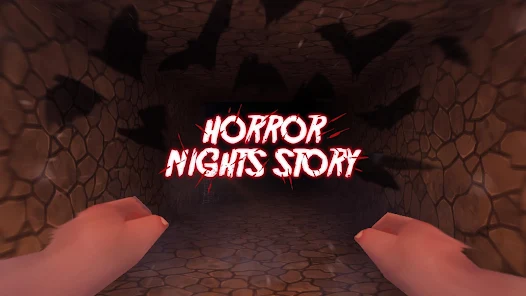
Horror Nights Story is a 3D action-horror game developed by Rostislav Kaloc and Tasty Air Games that drops you into the tunnels of a terrifying old mine — trapped, surrounded by monsters, and racing against a set of environmental systems that want to kill you just as much as the creatures do. Five nights of survival across three distinct gameplay scenarios stand between you and escape.
The game's Minecraft-inspired 3D aesthetic gives the mine a blocky, tactile quality that somehow amplifies the horror rather than softening it. The tunnels feel close and claustrophobic, the darkness beyond your reach feels genuinely threatening, and the creatures that inhabit the mine — some original, some drawn from the visual language of other beloved horror games including the FNAF series — have a familiarity that makes their appearance here feel deeply wrong.
What distinguishes Horror Nights Story from simpler survival horror games is the multi-system pressure it applies simultaneously. Digging, refueling, and dropping bombs are your active tools — but while you're working, oxygen levels need monitoring, power systems can fail, and monsters are actively hunting through the tunnels around you. The mine doesn't give you the luxury of focusing on one problem at a time. Everything demands attention, and prioritizing correctly under that pressure is the skill the game teaches across five increasingly demanding nights.
A cast of supporting characters — a policeman, a victim, and the game designer themselves — adds personality and narrative texture to what could otherwise be a purely mechanical survival experience.
Cross-platform and accessible, Horror Nights Story is a complete horror mining adventure playable on iOS, Android, and web browsers.
Key Details
| Genre | Action Horror / Survival |
| Difficulty Level | Hard |
| Average Play Time | 20–40 minutes per session |
| Best For | Horror fans who enjoy Minecraft-adjacent aesthetics, survival players who like multi-system management under pressure, and FNAF genre fans looking for a fresh setting |
How to Play Horror Nights Story
Getting Started
- Read the on-screen instructions at the start — the game provides guidance on its mechanics through in-game instructions. Take the time to read them fully before the first night begins. The systems that govern oxygen, power, and monster behavior are introduced here, and entering the mine without understanding them creates avoidable early failures.
- Establish your priorities for Night 1 — your most immediate survival requirements are oxygen and power. Identify where refueling stations are located and how to access them before the monsters become active, so you're not searching under pressure when a shortage hits.
- Begin digging systematically — digging is a core activity that opens routes through the mine and provides access to resources. Work methodically rather than randomly to avoid creating dead-end tunnels that trap you when monsters arrive.
- Use bombs strategically, not reactively — bombs are an active tool against monsters and obstacles, but they're a finite resource. Identify situations where a bomb creates a meaningful tactical advantage rather than deploying them in panic during the early nights.
- Monitor all systems simultaneously — the mine requires constant multi-tasking. Keep one eye on oxygen levels, one on power status, and active awareness of monster positions throughout each night. Tunnel-visioning on any single system while others degrade ends runs quickly.
Basic Controls
| Input | Action |
|---|---|
| Left Mouse Button | Dig / Refuel / Drop bombs / Perform actions |
| On-screen Buttons (mobile) | Perform all actions on iOS and Android |
| Jump (on-screen prompt) | Jump over obstacles and terrain features |
| Oxygen Monitor | Track current oxygen levels — act before critical depletion |
| Power Monitor | Track power status — restore before outage |
| On-screen Instructions | Reference in-game for mechanic guidance |
Objective
Survive five nights inside the old mine across three separate gameplay scenarios. Dig through the mine's tunnels, manage oxygen and power to prevent environmental failures, and fight off the monsters hunting you through the dark. Endure all five nights to escape the mine and complete the game's full story.
Horror Nights Story Features & Highlights
- Three distinct gameplay scenarios — five nights of survival split across three separate scenarios, each with its own context and challenges, ensuring the experience evolves meaningfully rather than repeating the same night five times
- Minecraft-inspired 3D mine environment — a blocky, tactile aesthetic from developers Rostislav Kaloc and Tasty Air Games that gives the mine a claustrophobic physicality distinctly suited to horror
- Multi-system survival management — oxygen, power, digging, and monster combat must all be managed simultaneously, creating a layered pressure system that demands continuous attention across every night
- Horror-crossover monster cast — creatures drawn from the FNAF universe and other horror game traditions appear alongside original mine-specific threats, creating an enemy roster with built-in recognition and dread
- Cross-platform availability — fully playable on iOS, Android, and web browsers, with on-screen controls adapted for each platform
Horror Nights Story Tips & Strategies
Beginner Tips
- Never let oxygen reach critical before refueling. Oxygen depletion is one of the most common run-enders for new players — not because it happens suddenly, but because it's easy to ignore while focused on digging or monster management. Set a mental threshold to refuel when oxygen reaches the midpoint, not the red zone.
- Dig with escape routes in mind, not just progress. The direction you dig creates the tunnel network you'll be navigating when monsters chase you. Tunnels that dead-end or loop back on themselves without alternate exits become traps under pursuit. Plan your digging routes to maintain multiple movement options rather than creating linear corridors.
- Reference on-screen instructions when stuck. The game's built-in instruction system is always accessible. If a mechanic isn't working the way you expect or a new situation arises you haven't encountered before, check the on-screen guidance before spending several attempts figuring it out through trial and error.
Advanced Strategies
- Combine bomb use with terrain advantages. A bomb dropped in a narrow tunnel section deals significantly more effective monster disruption than one dropped in an open area where the creature can move around the blast. Learn which tunnel configurations maximize bomb impact before committing to a deployment.
- Create dedicated refueling zones near active digging areas. Rather than making long return trips to refuel when oxygen drops, position your digging work to stay within reach of refueling stations. This reduces transit time spent not digging and keeps you closer to oxygen resupply when levels drop unexpectedly.
What to Watch Out For
- Power outages during high-activity moments. Power failures don't happen at convenient times — they tend to hit when you're mid-dig or mid-chase. Building the habit of checking power status at regular intervals, rather than only when something goes wrong, lets you preemptively refuel before outage rather than scrambling in darkness afterward.
- Ignoring supporting characters as story and hint sources. The policeman, victim, and game designer characters that appear throughout the mine are not just narrative decoration. Interacting with them when possible yields context about the mine's mysteries and occasionally practical guidance that affects how you approach specific scenarios.
Horror Nights Story Elements Explained
Mine Survival Systems
The mine's environmental survival systems — oxygen and power — are the passive threat layer that operates beneath the active monster danger throughout every night. Unlike monsters, which give you visual and audio warning of their approach, oxygen depletion and power failure happen gradually and without dramatic announcement. By the time either system reaches a critical state, you've usually been too close to failure for longer than you realized.
Oxygen requires refueling through stations distributed through the mine. The depletion rate is consistent rather than event-driven — it drains continuously regardless of what you're doing, which means time spent on any activity is time that oxygen is decreasing. In practice, this ties every other action in the game to a background countdown. Digging a new tunnel, managing a monster encounter, or navigating to a bomb placement all carry an implicit oxygen cost measured in seconds.
Power operates similarly but with different failure consequences. A power outage changes the visual conditions of the mine and affects which systems remain operational, creating compounding difficulties in an environment already challenging under normal conditions. Managing power means treating it as you treat oxygen — proactive resupply before shortage, not reactive restoration after failure.
Mining & Combat Actions
Digging, refueling, and bomb deployment are the three primary active actions in Horror Nights Story, all controlled through the left mouse button on desktop or on-screen buttons on mobile. Each serves a distinct function in the survival loop, and proficiency with all three — and the judgment to use each at the right moment — is what five-night survival requires.
Digging opens the mine's tunnel network, creates escape routes, and grants access to resources and new areas of each scenario. The physical shape of your tunnel system is a strategic asset: well-designed routes with multiple connections and exit options make monster evasion significantly more manageable than a network of isolated corridors. Digging is never just excavation — it is the preparation of your defensive terrain.
Refueling addresses both oxygen and power systems. The action is simple but timing is everything — refueling under non-emergency conditions is significantly faster and less dangerous than emergency refueling during a monster encounter or power outage. Building refueling checks into your regular mine activity rhythm, rather than treating them as crisis responses, is the habit that separates consistent survivors from players who always seem to be one system failure from a run end.
Bombs are the most situational of the three actions — offensive tools that disrupt monsters and clear certain terrain obstacles, but finite in availability and most effective in specific deployment contexts. They are not panic buttons; treating them as emergency-only items rather than tactical resources leaves them unused until they're needed in a situation where a better deployment opportunity was available twenty minutes earlier.
Monster Cast & Scenario Structure
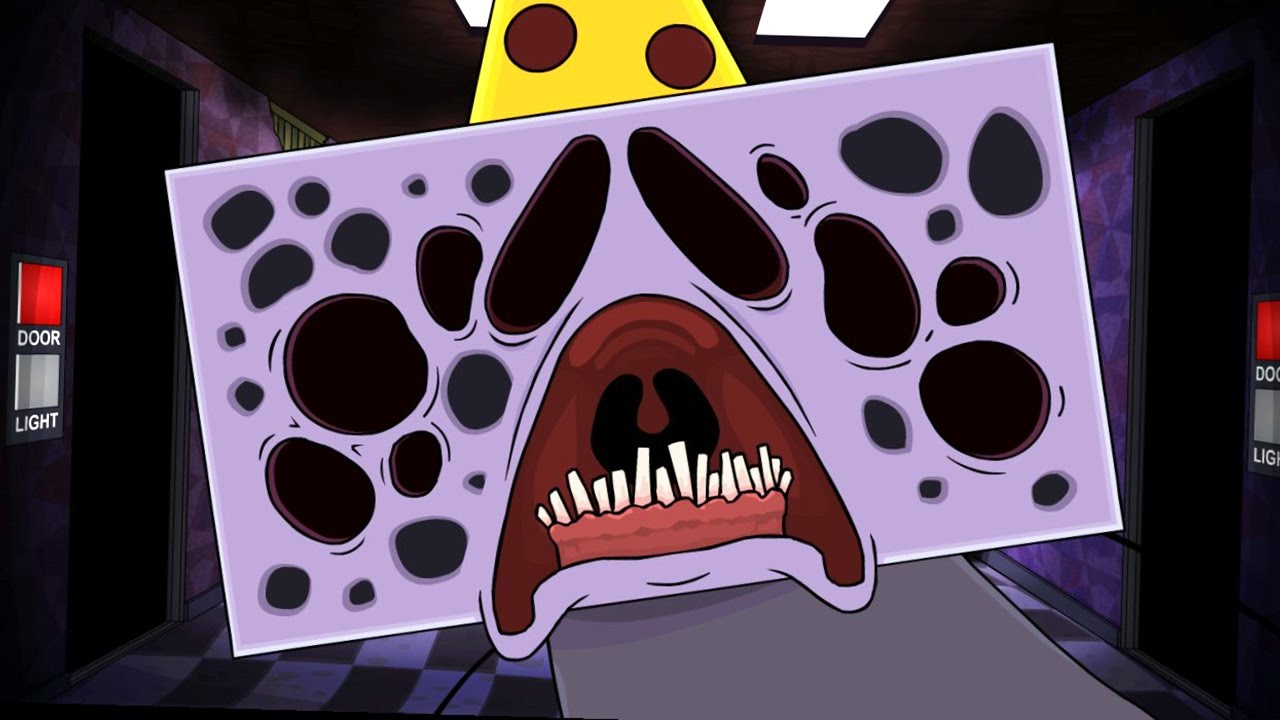
The creatures inhabiting the mine across Horror Nights Story's five nights span two distinct categories: original mine-specific monsters designed for the game's dark tunnel environment, and horror crossover characters drawn from the visual and design language of other well-known scary games — including recognizable figures from the FNAF universe. The crossover inclusions bring an additional layer of dread through recognition; encountering a character whose behavior you think you understand, in a context completely different from their origin, is a specific kind of unsettling the game deploys deliberately.
The three gameplay scenarios that structure the five nights are not simply difficulty tiers — they are distinct situations with their own story context, supporting characters, and monster configurations. The policeman, victim, and game designer characters encountered across scenarios each bring different information and interact with the mine's mystery in different ways. Engaging with them rather than treating them as background dressing surfaces story elements that the pure survival gameplay doesn't deliver on its own.
Each scenario's monster configuration is designed to pressure the specific survival systems most relevant to that scenario's context. The fifth night represents the game's hardest convergence of all pressures simultaneously — monster aggression, environmental system demands, and scenario-specific challenges compounding into the most demanding stretch of the full experience.
Horror Nights Story Frequently Asked Questions
Q: How do I dig and drop bombs in the mine?
A: Both actions are performed using the left mouse button — click to dig into tunnel walls when positioned adjacent to mineable terrain, and click on the bomb action to deploy one at your current location. On iOS and Android, on-screen buttons replace the mouse for all actions. The on-screen instructions accessible during play provide additional context on action timing and positioning requirements for each mechanic.
Q: What should I do when oxygen or power is running critically low?
A: Move immediately toward the nearest refueling station — this takes priority over any other current activity, including active monster evasion if the system failure will end the run faster than the monster will. If a monster is between you and the refuel point, use terrain features or a bomb to create a clear path rather than attempting to navigate through the threat. Once refueled, reassess the situation before resuming the previous activity. Going forward, check both systems at regular intervals rather than waiting for the critical warning.
Q: Is this game compatible with all browsers and devices?
A: Yes — Horror Nights Story is designed for cross-platform play on iOS, Android, and web browsers. The web browser version runs best on modern desktop browsers including Chrome and Firefox. Mobile versions on iOS and Android use adapted on-screen controls for all actions that the desktop version handles with the left mouse button. Performance is optimized for current-generation mobile hardware; older devices may experience reduced frame rates in graphically intensive sections.
Q: Can I save my progress between nights?
A: The game's save system preserves progress between completed nights within the scenario structure. Completing a full night before exiting is recommended to ensure clean save state transitions. Exiting mid-night may return you to the start of that night on next launch rather than the exact point you left. Check the in-game menu for available save and continue options before ending a session.
Q: Who are the supporting characters, and do they affect gameplay?
A: The policeman, victim, and game designer are supporting characters encountered across the game's three scenarios. They each contribute to the mine's story and mystery, and interacting with them when the opportunity arises yields contextual information about the mine's situation and backstory. Some interactions provide practical guidance that affects how you approach specific scenario challenges. They are worth engaging with deliberately rather than passing by — the game's full story is distributed across both the survival gameplay and the supporting character interactions.
Games Like Horror Nights Story You Might Enjoy
If you like Horror Nights Story, you might also enjoy:
- Overnight Interview - it leans into eerie story clues, confined spaces, and slow-burn horror discovery.
- The Coffin of Andy and Leyley - it leans into eerie story clues, confined spaces, and slow-burn horror discovery.
- Human Expenditure Program - it leans into eerie story clues, confined spaces, and slow-burn horror discovery.