




FNAF Free 3 Overview
FNAF Free 3 strips the classic Five Nights at Freddy's formula down to its most strategic core and rebuilds it with a focused, systems-management identity that rewards patience and methodical thinking above all else. Where many entries overwhelm you with multiple animatronic threats demanding constant attention in every direction, Free 3 concentrates the danger into a single primary animatronic — and then makes the challenge of managing that one threat genuinely complex.
The key innovation is the audio guidance system. Rather than simply locking doors and hoping your electricity holds, you can actively influence where the animatronic moves by deploying sound cues through the pizzeria's speaker network. This shifts the gameplay from purely reactive defense into something closer to active threat management — you're not just surviving the animatronic, you're steering it away from your location.
That control comes at a cost. The same systems you rely on to stay safe — cameras, audio tools, ventilation — all operate on the edge of failure throughout each night. Any of them can go down at any moment, and when they do, you need to restart them immediately. Losing camera visibility or audio control even briefly can allow the animatronic to advance to a dangerous position before you've recovered awareness.
Five nights of escalating pressure demand faster reactions, tighter resource management, and a shrinking tolerance for mistakes as you progress. For players who prefer the feeling of solving a complex puzzle under pressure over the chaos of managing many simultaneous threats, FNAF Free 3 is a masterclass in focused tension.
Key Details
| | | |---|---| | Genre | Survival Horror / Strategy | | Difficulty Level | Medium to Hard — increases significantly across five nights | | Average Play Time | 10–20 minutes per night | | Best For | Strategic players, FNAF veterans, fans of systems-management gameplay, players who prefer focused threat design over multi-enemy chaos |
How to Play FNAF Free 3
Getting Started
1. Begin each night in the security office with access to your camera, audio, and ventilation systems. 2. Use the camera system to locate the animatronic and monitor its current position on the map. 3. Deploy audio cues through the speaker system to guide the animatronic away from your office when it moves too close. 4. Monitor all three systems constantly — cameras, audio tools, and ventilation can fail at any time and must be restarted immediately when they do. 5. Survive from dusk until dawn across all five nights, reacting faster and managing systems more precisely as difficulty escalates with each passing night.
Basic Controls
- Camera System — Monitor and switch between camera feeds to track the animatronic's position
- Audio System — Deploy sound cues through the pizzeria's speakers to redirect animatronic movement
- Ventilation System — Maintain for clear camera visibility; restart immediately when it fails
Objective
Survive five complete nights by using the camera system to track your primary animatronic threat and the audio system to actively redirect its movement away from the office. Keep all three systems — cameras, audio, and ventilation — operational throughout each night. Reach morning on all five nights to complete the game.
FNAF Free 3 Features & Highlights
- Active audio guidance system — Influence animatronic movement by directing it away from your location rather than simply reacting to its advance
- Focused single-threat design — One primary animatronic creates a deeper, more strategic challenge than multi-enemy chaos, rewarding careful observation and planning
- Three interdependent systems — Camera, audio, and ventilation management creates a layered defense that demands simultaneous attention across multiple channels
- Dynamic system failures — Any system can fail at any moment, introducing unpredictable urgency that prevents any strategy from becoming too comfortable
- Five-night escalation — Difficulty increases meaningfully across each night, demanding faster reactions and tighter management with every session
FNAF Free 3 Tips & Strategies
Beginner Tips
- Establish a consistent monitoring rotation early — check the animatronic's position on camera, confirm your systems are operational, and deploy audio if needed, then repeat. Routine prevents the gaps in awareness that cause most failures.
- Treat system restarts as your top priority the moment a failure occurs. A few seconds without cameras or audio control is enough for the animatronic to move to a dangerous position before you've recovered.
- Use the audio system proactively, not reactively. Redirecting the animatronic when it's one zone away from the office is far easier than trying to manage it when it's already adjacent.
Advanced Strategies
- In later nights, learn to identify the animatronic's movement rhythm and anticipate its next position rather than waiting for it to appear on camera before responding. Proactive audio deployment at predicted positions keeps you consistently ahead of the threat.
- Develop a mental priority hierarchy for system failures: ventilation affects camera clarity, which undermines everything else — it's generally the highest-priority restart. Sequence your restarts accordingly when multiple systems fail simultaneously.
- On the hardest nights, minimize the time your camera is on a single feed. Rapid sweeps that confirm position and system status are more valuable than prolonged observation of one area.
What to Watch Out For
- Passive reliance on audio without camera confirmation — Deploying sound cues in the wrong direction wastes your audio resource and can inadvertently move the animatronic *toward* your office. Always confirm position before redirecting.
- Ignoring ventilation until visibility is fully lost — The ventilation system's failure degrades camera clarity gradually before it fails completely. Catching and restarting it early is significantly easier than recovering from a full blackout of camera feeds.
FNAF Free 3 Elements Explained
Audio Guidance System
The audio system is FNAF Free 3's defining mechanic and what separates it from every other entry in the franchise. Speakers installed throughout the pizzeria can be activated to play sounds in specific locations, and the animatronic will respond by moving toward the source. This gives you active control over threat positioning that most FNAF games don't allow — instead of simply watching something advance and hoping your doors hold, you can steer it away from danger zones entirely. The skill ceiling of the audio system is high: effective use requires accurate knowledge of the animatronic's current position (via cameras), a clear mental map of which speaker location will redirect it away from the office, and the timing discipline to deploy cues at the right moment rather than in response to already-dangerous proximity.
Three-System Management
Surviving in Free 3 means keeping three interdependent systems operational simultaneously: the camera network (tracking the animatronic's position), the audio system (redirecting its movement), and the ventilation system (maintaining camera image clarity). Each can fail independently and without warning, and their failures compound — a ventilation outage degrades cameras, which undermines audio deployment accuracy, which allows the animatronic to advance unpredictably. The three-system structure creates a management challenge where your attention must be distributed rather than focused. Single-system failures are recoverable; cascading failures across two or three systems simultaneously are where nights are lost. Building the reflexes to identify and respond to any failure as immediately as possible — before it triggers a cascade — is the core skill Free 3 teaches across its five nights.
Five-Night Escalation
Free 3's difficulty isn't static — it builds across each of the five nights in ways that demand concrete improvements in your play rather than simply more of the same. Night 1 introduces the systems and the animatronic at a manageable pace. By Night 3, system failures occur more frequently and the animatronic moves with more urgency. Nights 4 and 5 operate at a pace where even brief lapses in system monitoring create dangerous windows. This escalation structure serves a specific purpose: it teaches you the game's mechanics at a survivable rate, then tests whether you've genuinely internalized them under pressure. Players who survive Night 5 have developed real competency — the difficulty ramp ensures that reaching the end is a meaningful achievement rather than a matter of time.
FNAF Free 3 Frequently Asked Questions
Q: How do I use the audio system to redirect the animatronic?
A: First, confirm the animatronic's current position using the camera system. Then activate a speaker in a location away from your office — ideally in a zone the animatronic hasn't recently visited. The animatronic will move toward the sound source. Deploy audio early when the animatronic is approaching, not after it has already reached a dangerous proximity.
Q: What should I do if multiple systems fail at the same time?
A: Prioritize ventilation first, as its failure degrades camera clarity and undermines everything else. Restart it, then address camera or audio failures in quick succession. Accept that brief periods of reduced awareness are unavoidable in multi-system failures — stay calm, restart systematically, and use any remaining functional systems to maintain whatever situational awareness you can during the recovery.
Q: Is FNAF Free 3 compatible with standard browsers?
A: The game is designed for modern desktop browsers. Use an updated browser with hardware acceleration enabled for the most reliable performance. Closing resource-heavy background tabs before starting a session helps maintain system responsiveness during demanding night sequences.
Q: Can I save between nights?
A: Progress across the five nights is saved between sessions, allowing you to return to your most recently completed night rather than restarting from Night 1 after each session. Each individual night must be completed in a single sitting.
Q: How do I stop the animatronic from reaching the office on later nights?
A: Consistent proactive audio deployment is the most reliable method. Don't wait for the animatronic to approach the office before redirecting — use camera feeds to track its position and deploy sound cues to steer it away before it gets close. Combined with a reliable system-restart routine, proactive audio management is what separates successful Night 4 and 5 runs from failed ones.
Games Like FNAF Free 3 You Might Enjoy
If you like FNAF Free 3, you might also enjoy:
- Five Nights at Freddy's 3 - it shares the same animatronic pressure, survival timing, and quick browser play rhythm.
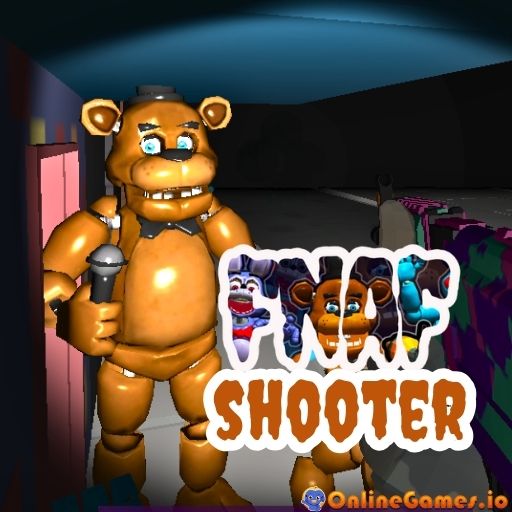
- FNAF Shooter - it shares the same animatronic pressure, survival timing, and quick browser play rhythm.
- FNAF Strike - it shares the same animatronic pressure, survival timing, and quick browser play rhythm.