
-ghost-pizzeria.jpeg)

FNAF Ghost Pizzeria Overview
The sign is still up. The tables are still set. Somewhere in the back, the stage lighting flickers on out of habit, illuminating a performance space where nobody has performed in a very long time. Freddy Fazbear's Pizza is abandoned. But abandoned doesn't mean empty.
FNAF Ghost Pizzeria is a first-person exploration horror game set in the deteriorated remains of the familiar restaurant. Your objective is straightforward in concept and dangerous in practice: find a way out. The building's exits are locked. The path forward requires keys collected from the dining areas, notes discovered on counters and shelves, and clues that reveal the next step toward escape. The animatronics — Freddy and others — patrol the same spaces you need to search, responding to sound and movement rather than following fixed routes.
This is a game about patience and attention. Rushing through rooms gets you caught. Moving carefully, observing the space before entering, listening for mechanical sounds in adjacent corridors — these habits are the difference between finding your next key and finding Freddy already in the room where it was. The flashlight is your primary tool for navigating the darkness, but its beam also announces your presence in a way that standing still in an unlit corner does not. When to use it, when to wait in the dark, and when to run — reading those situations correctly is the core skill FNAF Ghost Pizzeria develops across each attempt.
Key Details
- Genre: Survival Horror / Exploration
- Difficulty Level: Medium to Hard (stealth and spatial awareness dependent)
- Average Play Time: 20–35 minutes per run
- Best For: Players who want first-person exploration horror with stealth elements and item-hunting progression in a FNaF setting
How to Play FNAF Ghost Pizzeria
Getting Started
1. Begin at the pizzeria entrance and use your flashlight to get an initial read on the space — identify visible pathways and note any objects that might be interactive. 2. Move slowly and quietly through the building, observing each room from the doorway before entering to check for animatronic presence. 3. Search tables, counters, shelves, and accessible surfaces for keys, notes, and clues — these items unlock new areas and reveal the route toward the exit. 4. Listen continuously for footsteps and mechanical sounds in nearby rooms — these audio cues indicate animatronic location before visual contact. 5. When an animatronic appears or approaches, retreat, change direction, or use nearby pillars and open doors as concealment until it passes.
Basic Controls
- WASD: Move through the pizzeria
- Mouse Movement: Look around and navigate the environment
- Left Click: Interact with objects, collect keys, and open unlocked doors
Objective: Explore the abandoned pizzeria to find keys, read notes, and discover clues that open locked areas and guide you toward the exit — all while avoiding detection by animatronics that patrol the same spaces you need to search.
FNAF Ghost Pizzeria Features & Highlights
- First-person exploration in a fully traversable FNaF location — move through dining areas, hallways, the stage, and back rooms rather than monitoring them from a fixed office
- Key and clue collection as progression — finding items unlocks new sections of the building and reveals the path forward, making exploration purposeful rather than aimless
- Sound-responsive animatronic AI — Freddy and other animatronics react to noise and movement, rewarding quiet, deliberate play and punishing unnecessary speed
- Environmental concealment — pillars, open doors, and dark corners provide hiding options when direct confrontation is unavoidable
- Flashlight as a dual-use tool — essential for navigating darkness but also visible to animatronics, requiring judgment about when to use it and when to move without light
FNAF Ghost Pizzeria Tips & Strategies
Beginner Tips
- Observe each room from the doorway before entering. Taking three seconds to scan a space from a safe position costs nothing — entering a room where an animatronic is already present costs the run. Make doorway observation an automatic habit before any room transition.
- Move at walking pace by default. Faster movement generates more noise and attracts animatronic attention from adjacent areas — slow movement through sensitive spaces significantly reduces detection events, and the time cost across a full run is minimal compared to the cost of a single caught run.
- Use the flashlight in sweeping motions to cover more ground quickly rather than in narrow beams. In item-hunting scenarios, covering the full visible surface of a room efficiently reduces search time and the total exposure duration spent in any one area.
Advanced Strategies
- Build a mental map of the animatronics' approximate patrol patterns across multiple runs. Freddy and the other animatronics aren't entirely random in their routes — repeated exposure to the same layout reveals which areas see more frequent patrol activity and which have longer windows of relative quiet. Timing your movements through high-traffic areas during these windows reduces contact events significantly.
- Prioritize concealment near collected keys before picking them up. Collecting an item sometimes triggers increased animatronic activity in the adjacent area — having a concealment option identified before grabbing a key means you can immediately use it if needed rather than searching while the threat is already active.
- Use sound to your advantage when concealment isn't available. If an animatronic is between you and your destination and no hiding spot is accessible, making noise in a different direction can sometimes redirect its patrol route enough to create a passage window. This is a high-risk option but more reliable than waiting indefinitely in an area with no concealment.
What to Watch Out For
- Don't use the flashlight unnecessarily in areas where you can already see enough to navigate. The beam is visible to animatronics — moving through a dimly lit area without the flashlight is safer than illuminating the space, provided you can still navigate and search effectively at the available light level.
- Don't collect items out of sequence without understanding the layout. Unlocking a door before you've identified what's on the other side can place you in an area with a new threat before you've found concealment options or understood the exit route. Explore a new area briefly before committing to it as your next search zone.
FNAF Ghost Pizzeria Elements Explained
Animatronic Patrol and Detection: The animatronics in FNAF Ghost Pizzeria — led by Freddy Fazbear — are not scripted to appear at fixed locations at fixed times. They patrol the restaurant's spaces and respond to stimuli: sound generated by your movement, the visible light from your flashlight in dark areas, and your proximity to their current position. Quiet walking reduces your audio signature significantly compared to running, and moving without the flashlight in low-light areas reduces visual detectability in spaces the animatronics are patrolling. When an animatronic detects you, it begins moving toward your position — at this point, running to create distance, turning a corner to break line of sight, or reaching a concealment point are the available responses. Pillars, open doors, and alcoves throughout the building function as hiding spaces that the animatronics will pass by without searching if you reach them in time.
Item Collection and Progression: The path out of the abandoned pizzeria requires assembling access through a chain of collectible items. Keys unlock doors that open new sections of the building — dining areas, back rooms, the stage area — each of which contains the next set of items or clues required for continued progress. Notes found on surfaces provide narrative context about the building's history and practical guidance toward the next item location. Clues embedded in the environment — visual details, placement of objects, markings on walls — supplement the notes and reward players who examine spaces thoroughly rather than grabbing visible items and moving on. The collection chain creates a structured progression through the building that gives each area a purpose and keeps exploration goal-directed even when the exit still feels distant.
Flashlight Use and Visibility Trade-offs: The flashlight is the primary tool for navigating the pizzeria's dark interior, but its use creates a genuine trade-off. In total darkness, the flashlight is necessary to see interactive objects, read notes, and identify safe paths through the environment. However, the beam is visible to animatronics — moving through a darkened hallway with the flashlight on announces your presence more effectively than any other action. Effective flashlight management involves using it in areas where you need to search for items or identify the layout, then switching to movement without light in spaces where the path is clear and animatronics are nearby. Learning which areas are dark enough to require the light and which are navigable without it — and developing the patience to move slowly through dim spaces rather than illuminating them — is a significant component of proficient play.
FNAF Ghost Pizzeria Frequently Asked Questions
Q: How do I know where to look for keys and items?
A: Search all accessible surfaces in each room — tables, counters, shelves, and the floor near furniture. Notes you find in earlier areas often describe where subsequent items are located. If a room has been searched thoroughly and contains no items, the relevant item for that point in progression is likely in an adjacent area that a recently unlocked door now provides access to.
Q: What should I do when I'm spotted by an animatronic?
A: Immediately move to put distance between you and the animatronic and look for concealment — a pillar, an open door, or a dark alcove that the animatronic will pass without searching. If no concealment is available, run to the nearest area boundary (a doorway, a turn in a corridor) to break line of sight before the animatronic closes distance. Avoid moving back toward areas you've already cleared unless they offer concealment the current area doesn't.
Q: Can I outrun animatronics if they spot me?
A: Running creates noise that can attract additional attention from animatronics in adjacent areas, and sustained running makes it harder to monitor your surroundings for concealment options. Short sprints to reach a specific hiding spot or turn a corner are effective; extended running without a destination tends to compound detection events rather than resolve them.
Q: Is there a map of the pizzeria?
A: No in-game map is provided — learning the building's layout through exploration is part of the game's design. Most players develop sufficient spatial familiarity across two or three attempts to navigate efficiently. Notes collected during the run provide directional guidance toward the next area and reduce reliance on pure spatial memory.
Q: Can I save mid-run?
A: FNAF Ghost Pizzeria does not save mid-run progress. A caught encounter restarts the current attempt from the beginning. Completed stages or major progression points may be checkpointed — check the main menu after a successful escape for any saved progress.
Games Like FNAF Ghost Pizzeria You Might Enjoy
If you like FNAF Ghost Pizzeria, you might also enjoy:
- FNAF Shooter - it shares the same animatronic pressure, survival timing, and quick browser play rhythm.
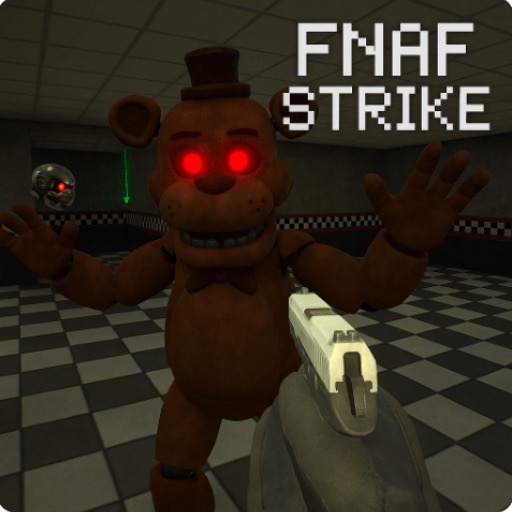
- FNAF Strike - it shares the same animatronic pressure, survival timing, and quick browser play rhythm.
- FNAF Shooter 2 - it shares the same animatronic pressure, survival timing, and quick browser play rhythm.