-pizzeria-simulator.jpg)
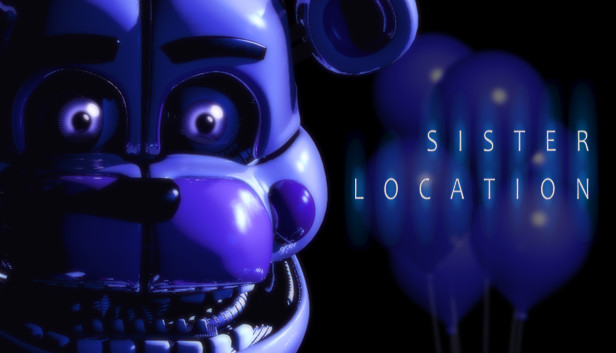
FNAF Pizzeria Simulator Overview
The business plan seemed reasonable: open a pizza restaurant, buy some equipment, attract customers, grow the revenue. It's the kind of straightforward management loop that makes these games satisfying. FNAF Pizzeria Simulator adds one variable that most restaurant management games don't account for: after business hours, the animatronics that perform for the lunchtime crowd stop being your entertainment investment and start being the reason you can't relax at your desk.
This is a dual-structure game. During the day, you run a pizzeria — buying equipment, installing machines, managing the animatronic performers that attract customers, and reinvesting the day's earnings into the next upgrade. The management loop is genuinely engaging on its own terms: money comes in, decisions are made, the restaurant grows. Then the clock turns over, the staff goes home, and the animatronics that were revenue generators twelve hours ago are now moving through the building with different intentions.
The night survival sequences carry the familiar FNaF tension — hide, listen, move carefully, survive until morning — but they exist in relationship to the daytime management loop in a way that makes both halves more meaningful. The restaurant you build during the day becomes the space you're surviving in at night. The animatronics you purchased become the threats you're avoiding. It's a clever structural decision that gives FNAF Pizzeria Simulator an identity distinct from any other entry in the franchise — and makes the question of how aggressively to grow your business feel slightly more weighted than it does in a typical management game.
Key Details
- Genre: Survival Horror / Management Simulation
- Difficulty Level: Variable (management difficulty is low; night survival escalates with business growth)
- Average Play Time: 15–30 minutes per day/night cycle
- Best For: Players who want a FNaF experience with management depth, fans of genre-hybrid games, and anyone curious about what a restaurant simulator looks like when it takes a dark turn at midnight
How to Play FNAF Pizzeria Simulator
Getting Started
1. Begin your first day by reviewing what equipment and animatronics are available for purchase — prioritize items that generate customer income before decorative upgrades. 2. Manage the daytime business phase: make purchasing decisions, arrange the restaurant layout, and set up your animatronic performers to maximize customer attraction. 3. When the day ends and night begins, switch to survival mode — the animatronics that performed during the day are now active threats. 4. Navigate the night phase by listening for animatronic movement, hiding when necessary, and moving carefully through the building until morning arrives. 5. Collect the day's earnings when morning comes and reinvest them in upgrades that advance both the business and your preparation for the next night.
Basic Controls
- WASD / Arrow Keys: Move during the night survival phase
- Mouse: Interact with equipment, menus, and management elements during the day; look around and aim during the night
Objective: Grow your pizzeria into a successful business through daytime management decisions while surviving each night against the animatronics you've added to the restaurant. Each morning brings new revenue; each night brings new challenges.
FNAF Pizzeria Simulator Features & Highlights
- Dual gameplay loop — daytime restaurant management and nighttime survival horror coexist within the same structure, each phase directly affecting the other
- Business growth mechanics — buy equipment, install machines, and expand the restaurant's appeal using earnings from completed days
- Animatronics as both assets and threats — the performers you purchase to attract customers are the same characters you'll be avoiding during the night phase
- Escalating night difficulty tied to business growth — as the restaurant expands and new animatronics are added, the night survival challenges increase in complexity
- Revenue-to-upgrade progression — successful survival generates the money that funds continued expansion, creating a risk-reward loop across the full game
FNAF Pizzeria Simulator Tips & Strategies
Beginner Tips
- Invest in revenue-generating equipment before cosmetic upgrades. Machines and animatronic performers that attract more customers generate the money that funds everything else — prioritizing appearance over function in early days slows the upgrade loop significantly.
- Learn the night layout of your restaurant before it changes. The space you're surviving in at night is the same restaurant you built during the day — understanding the layout during calm daytime management gives you spatial familiarity that translates directly to better night navigation.
- Listen before moving during night phases. Animatronic sounds indicate position and direction of movement — a few seconds of still listening before crossing a room is less costly than walking into an animatronic you didn't hear coming.
Advanced Strategies
- Consider the night difficulty implications before purchasing new animatronics. Each new performer added to your restaurant increases night-phase threat complexity — expanding too aggressively without building night survival skill can create nights that exceed your current management capability. Balance business growth rate with honest assessment of your survival consistency.
- Use daytime management phases to mentally map the restaurant layout. During the day, move through the space with survival in mind — identify where corners create blind spots, where hiding positions exist, and which routes between areas are most traversable in low visibility. This deliberate mapping during the safe phase pays off significantly during the dangerous one.
- Reinvest earnings consistently rather than accumulating large cash reserves. Money sitting unused between days doesn't generate returns — equipment purchased and deployed during the day starts generating customer income immediately, compounding the growth rate across the full game.
What to Watch Out For
- Don't treat the management phase as separate from the survival phase. The decisions you make during the day — which animatronics to buy, how to arrange the space — directly affect how difficult the following night will be. Approach daytime decisions with some awareness of their nighttime consequences.
- Don't rush through night phases. The combination of unfamiliar space, active threats, and limited visibility makes hasty movement consistently more dangerous than slow, deliberate navigation. Patience during the night phase preserves your survival streak and keeps the morning earnings flowing.
FNAF Pizzeria Simulator Elements Explained
Daytime Management Loop: The daytime phase of FNAF Pizzeria Simulator functions as a straightforward restaurant management game. Revenue earned from each completed day appears in the morning and can be allocated toward purchases from an equipment catalog — kitchen machines, entertainment equipment, decorative elements, and animatronic performers. Customer attraction responds to the quality and variety of what the restaurant offers, creating a reinvestment loop where better equipment generates more customers, which generates more revenue, which enables further upgrades. The management decisions are accessible rather than deeply complex, but they carry genuine consequence — both in the direct impact on business revenue and in the less obvious impact on nighttime survival difficulty as the animatronic roster grows.
Nighttime Survival Phase: When the business day ends and the night begins, the game shifts from management to survival. The animatronics that were passive entertainment figures during the day become active threats moving through the same building you were managing a few hours earlier. The night phase uses mechanics familiar to FNaF players — listening for animatronic movement, moving carefully to avoid generating noise, finding hiding positions when threats are close, and enduring until morning. The specific mechanics of each night phase may vary as the restaurant grows and new animatronics are added to the active threat roster. Successfully surviving the night ends with morning — and the next day's revenue, unlocking another cycle of management decisions and business growth.
The Animatronic Duality: The most distinctive design element of FNAF Pizzeria Simulator is the relationship between the animatronics as daytime business assets and nighttime threats. Each animatronic performer purchased during the management phase represents an investment in customer attraction and revenue generation. It also represents a new threat that becomes active during the night that follows. This duality gives business decisions a texture they don't normally carry in management games — the question of whether to add another animatronic to the roster is simultaneously a question about business growth and about whether you're ready to handle the additional survival challenge that purchase creates. The connection between the two phases makes both more meaningful.
FNAF Pizzeria Simulator Frequently Asked Questions
Q: How do I make more money during the daytime phase?
A: Invest in equipment and animatronic performers that improve customer attraction — more customers generate more revenue per day. Prioritize purchases that directly increase the customer count before spending on decorative or secondary upgrades that improve the restaurant's appearance without adding customer-generating value.
Q: What should I do if I can't survive the night phase?
A: Focus on the night phase mechanics before expanding the business further. Adding more animatronics while struggling to survive the current roster increases the difficulty without addressing the underlying survival skill gap. Spend a few nights practicing movement, listening for audio cues, and identifying hiding positions before investing in further roster expansion.
Q: Do the animatronics I buy during the day all become threats at night?
A: Yes — animatronics added to the restaurant during the management phase become active during the night phase. The number and variety of night threats scales with how much the business has grown, which is why managing expansion rate alongside survival skill development matters throughout the game.
Q: Can I save my progress?
A: Progress is saved at the end of each day/night cycle. Completing a full cycle — surviving the night and collecting morning earnings — records your current restaurant state and financial position for the next session.
Q: Does the game get harder the more I invest in the restaurant?
A: Yes — as the restaurant grows and more animatronics are added to the roster, the night phases increase in complexity. This is intentional design: the business growth that makes daytime management more rewarding also makes nighttime survival more demanding, creating a risk-reward dynamic across the full game structure.
Games Like FNAF Pizzeria Simulator You Might Enjoy
If you like FNAF Pizzeria Simulator, you might also enjoy:
- FNAF Shooter - it shares the same animatronic pressure, survival timing, and quick browser play rhythm.
- FNAF Strike - it shares the same animatronic pressure, survival timing, and quick browser play rhythm.
- FNAF Shooter 2 - it shares the same animatronic pressure, survival timing, and quick browser play rhythm.